Postdocs and the Research Ecosystem: Shaping Sustainable Career Paths
Themed week supported and organized with the Volkswagen Foundation
This is an event page that is no longer updated. In our news section, you can find an initial report, the keynote slides and a video recording of the panel discussion.
The theme week focuses on the future of academic careers in Germany, with special attention to the postdoctoral phase – a crucial yet structurally undefined stage in scientific career paths. It aims to unite perspectives from academia, politics, funding bodies, and research management to analyze current challenges and develop practical solutions for more reliable and diverse career trajectories.
Based on recommendations from the German Science and Humanities Council, three symposia will explore the definition of the postdoc phase, staffing structure models, and intersectoral mobility. A supporting program with plenary sessions, a world café, and a public panel discussion will foster exchange, networking, and international dialogue.
Program Highlights:
- Keynote by Dr. Nicholas Russell on the current data landscape of the postdoctoral phase
- Public Panel Discussion: The Future of Postdocs in the German Research Ecosystem – Where Do We Stand One Year After the German Council’s Position Paper? - The Panel is open to the public & free, but registration is required by August 23. Participation is only possible in person; this is not a hybrid or online event. Registration possible here!
- Focused symposia and discussions on:
- Symposium I: "A Shared Definition of the Postdoc Phase: Analysis, Stakeholders, and Vision
for Germany“ (in German) - Symposium II: "Implementing Personnel Structure Development in Science – Challenges and Solutions" (in German)
- Symposium III: "Intersectoral Mobility (ISM) for Researchers – Balancing Opportunities and Challenges"
- Symposium I: "A Shared Definition of the Postdoc Phase: Analysis, Stakeholders, and Vision
- World Café peer exchange
- Networking opportunities with high-ranking figures in the German academic and European research landscape
We are excited to welcome you to this event!
Date: Wed, August 26 – Fri, August 28, 2026
Location: Tagungszentrum Schloss Herrenhausen, Herrenhäuser Straße 5, 30419 Hannover
Language: Please be aware that even though the framework program (incl. keynote and panel discussion) will be in English two of the symposia will be held in German.
How can you register/take part?
All participants have been carefully selected based on their expertise, deep interest in the topic, and proven ability to drive meaningful change in the research ecosystem. Invitations and registration details were sent directly via email. We appreciate your engagement and look forward to a dynamic exchange of ideas and solutions.
Agenda
August 26, 2026 - Day 1
August 27, 2026 - Day 2
August 28, 2026 - Day 3
Keynote Speaker
Dr. Nicholas Russell
Public Panel Discussion: The Future of Postdocs in the German Research Ecosystem – Where Do We Stand One Year After the German Council’s Position Paper?
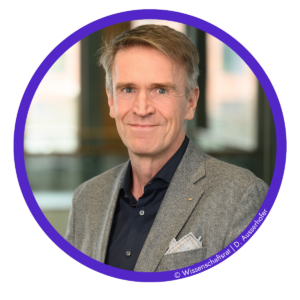
Prof. Dr. med.
Wolfgang Wick
Wolfgang Wick has been chairman of the German Science and Humanities Council (Wissenschaftsrat) since 2023.
He is Medical Director of General Neurology and Professor of Neurology at Heidelberg University Hospital, Center Spokesperson of the Heidelberg Head Clinic, and Head of the Neurooncology Department at the German Cancer Research Center. His research focuses on brain tumors, imaging, and stroke care.
Wolfgang Wick studied medicine at the University of Bonn, Harvard Medical School in Boston, and King’s College in London. After completing his habilitation at the University of Tübingen, he became Deputy Medical Director of General Neurology at the University Hospital there in 2006, before relocating to Heidelberg in 2007.
He is one of the most frequently cited researchers in his field internationally; a member of the German National Academy of Sciences Leopoldina, among other organisations, and has received numerous awards, including the German Cancer Prize.
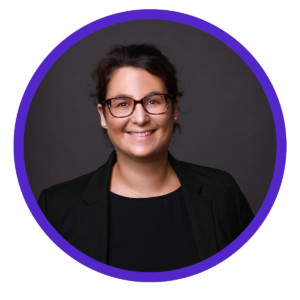
Dr. Linda Jauch
After completing her university education at universities in London, Oxford, and Cambridge, Linda entered higher-education management in Germany in 2011 and held various positions supporting early-career researchers at Freie Universität Berlin, the University of Oldenburg, and the University of Hamburg (UHH).
Linda currently leads the new Hub for Academic Career & Research Culture (HARC) at the University of Hamburg. She also plays a key role in developing the new permanent career paths of “(Senior) Researcher” and “(Senior) Lecturer” at UHH. To support the successful implementation of these new roles and to propose comparable academic staffing structures across Germany, she secured funding through the VolkswagenStiftung’s Impulse für das Wissenschaftssystem initiative in 2026.
For several years, Linda has been active in networks focused on early-career researcher development in Germany and the UK. From 2020 to 2025, she was a member of the advisory board of the German University Association for Advanced Graduate Training (UniWiND). Since 2025, she has been the only non-professorial member on UniWiND’s board of directors. She previously chaired the UniWiND working group “Postdocs at German Universities, Structural and Personnel Development.”
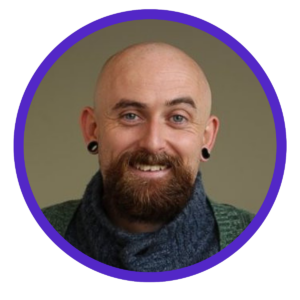
Gareth O'Neill
Gareth is a Principal Consultant on Open Science at Technopolis Group specialising in open science, research careers, and the European Open Science Cloud (EOSC).
He is an ambassador for cOAlition S and is developing the EOSC Open Science Observatory in the EOSC Track project.
Gareth has recently developed the Research Career Framework in the SECURE project and has been involved in the Mutual Learning Exercise on Research Careers for the European Commission.
Moderator
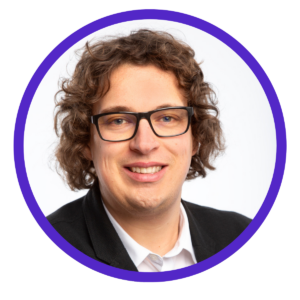
Dr. Yves Klinger
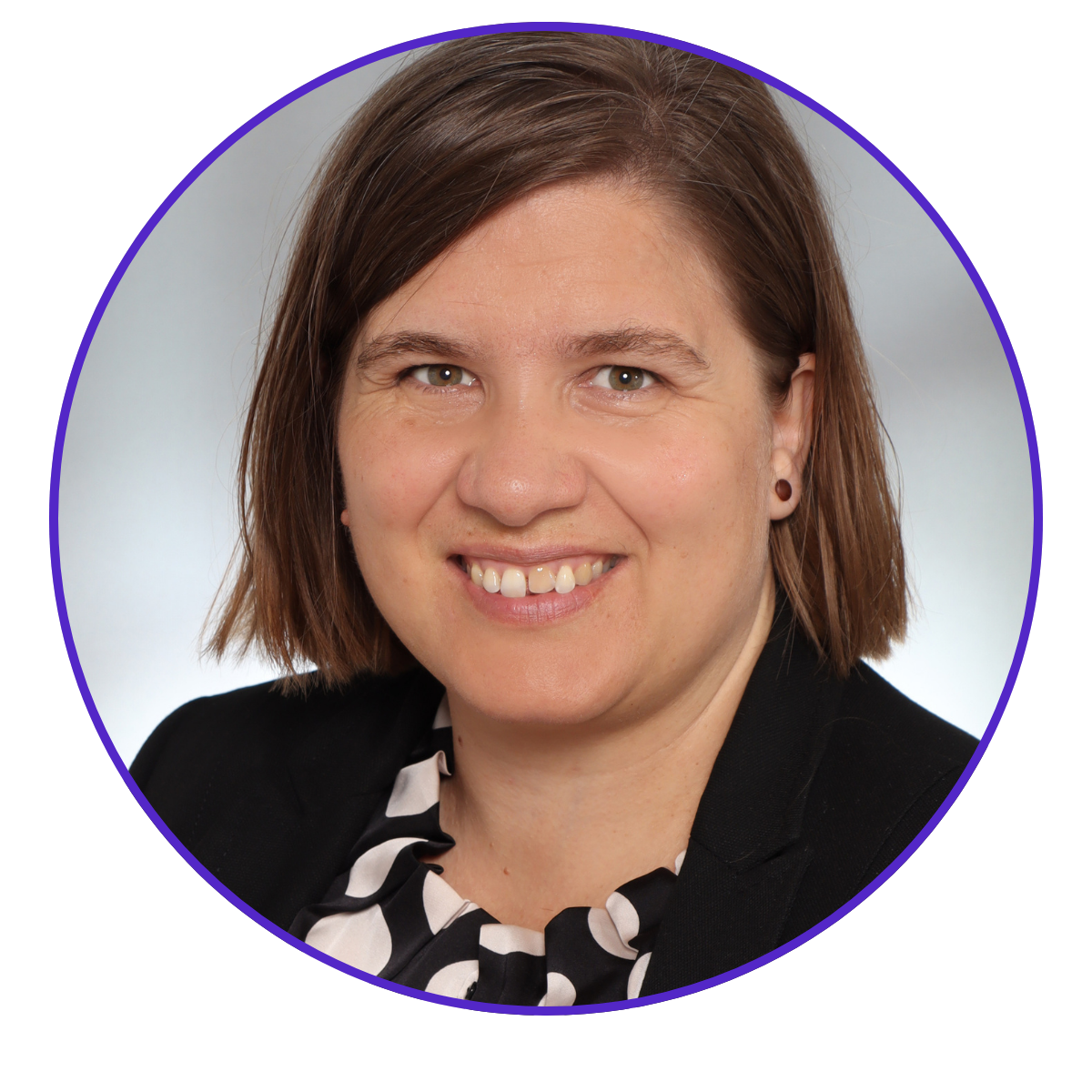
Yves Klinger is a Postdoctoral Researcher in Landscape Ecology at Justus-Liebig-Universität Gießen, where he combines ecological field research with data-driven approaches to address current questions in invasion biology, grassland restoration, and plant phenology. He completed his PhD in 2021 and has gained expertise in both empirical ecology and modeling.
As spokesperson of the German Postdoc Network’s Working Group Advocacy, he is committed to improving the academic landscape for postdocs in Germany.
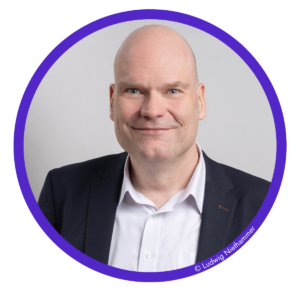
Dr. Jan-Martin Wiarda
Dr. Jan-Martin Wiarda, born in 1976, is a freelance journalist and blogger for education and science. From January 2013 to July 2015, he was Head of Communications and Media and Press Spokesman for the Helmholtz Association. From 2004 to 2012 Wiarda was editor and most recently deputy head of the education department “Chancen” of the weekly newspaper “DIE ZEIT”. He studied political science, economics and sociology in Munich, attended the German School of Journalism there and then moved to the University of North Carolina at Chapel Hill, USA, where he continued his journalism studies.
The Panel is open to the public & free, but registration is required. Participation is only possible in person; this is not a hybrid or online event. Registration possible here!
Symposium Topics
Symposium I: A Shared Definition of the Postdoc Phase: Analysis, Stakeholders, and Vision for Germany (in German)
The overarching goal of the symposium is to conceptually clarify the postdoctoral phase as an independent career stage, identify relevant stakeholders for implementation, and develop pathways toward a nationally consistent and internationally comparable definition. The symposium is structured into three modules:
- Systematically capturing definition elements such as duration, roles, responsibilities, qualification objectives, and international compatibility;
- Analyzing relevant stakeholders, governance structures, barriers, and implementation opportunities;
- Developing a roadmap with concrete short-, medium-, and long-term action steps.
Symposium I Team
Dr. Alex Franzke
Dr. Britta Hoyer
Dr. Yves Klinger
Dr. Stefan Pieczonka
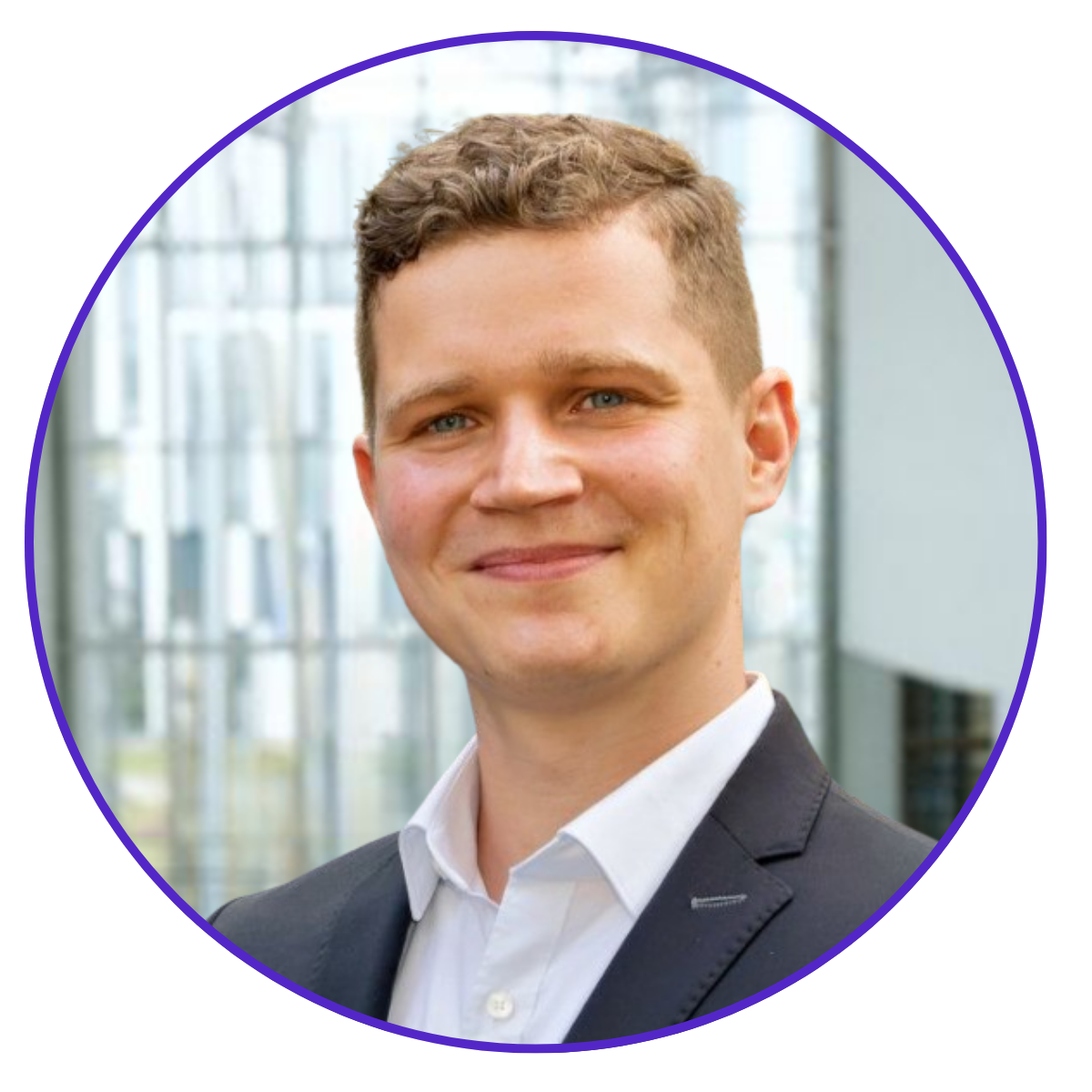
Dr. Tina Scheibe
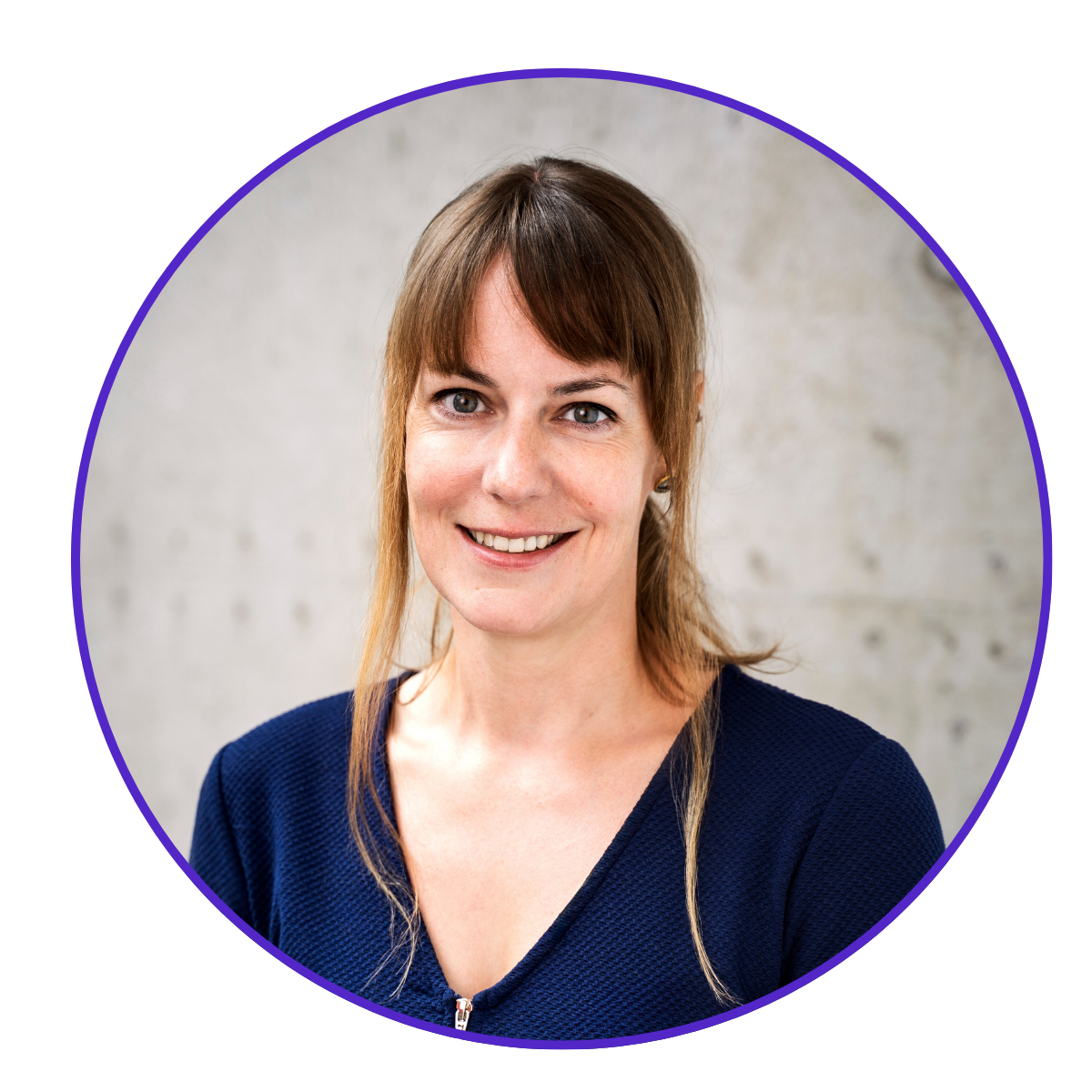
Symposium II: Implementing Personnel Structure Development in Science – Challenges and Solutions (in German)
This symposium aims to discuss sustainable personnel development at universities, clarify academic career paths, use resources efficiently, and create intergenerationally fair conditions for research and teaching. Current debates – triggered by initiatives such as #ichbinHanna, the revision of the Temporary Employment in Science Act (Wissenschaftszeitvertragsgesetz), and position papers from scientific organizations and associations – demonstrate that the German research system requires reform. While personnel development has gained significance since the introduction of the Tenure-Track Program, systematic solutions that also address the development of personnel structures are still lacking. This symposium aims to close this gap by bringing together experts from science, administration, and policy.
Key Themes
- Strategic Planning: Designing future-ready personnel structures that support research and teaching.
- Tenure-Track Frameworks: Harmonizing qualification and tenure-track roles across federal states.
- New Career Paths: Developing standardized personnel categories beyond professorships.
- Teaching Integration: Aligning teaching obligations with research roles.
- Organizational Design: Defining optimal placement of tenure-track positions.
- Sustainable Funding: Balancing long-term stability with financial responsibility.
The symposium will generate actionable recommendations for universities, funding bodies, and policymakers, with the goal of fostering institutional coherence and intergenerational equity in academic careers.
Symposium II Team
Dr. Vanessa Adam
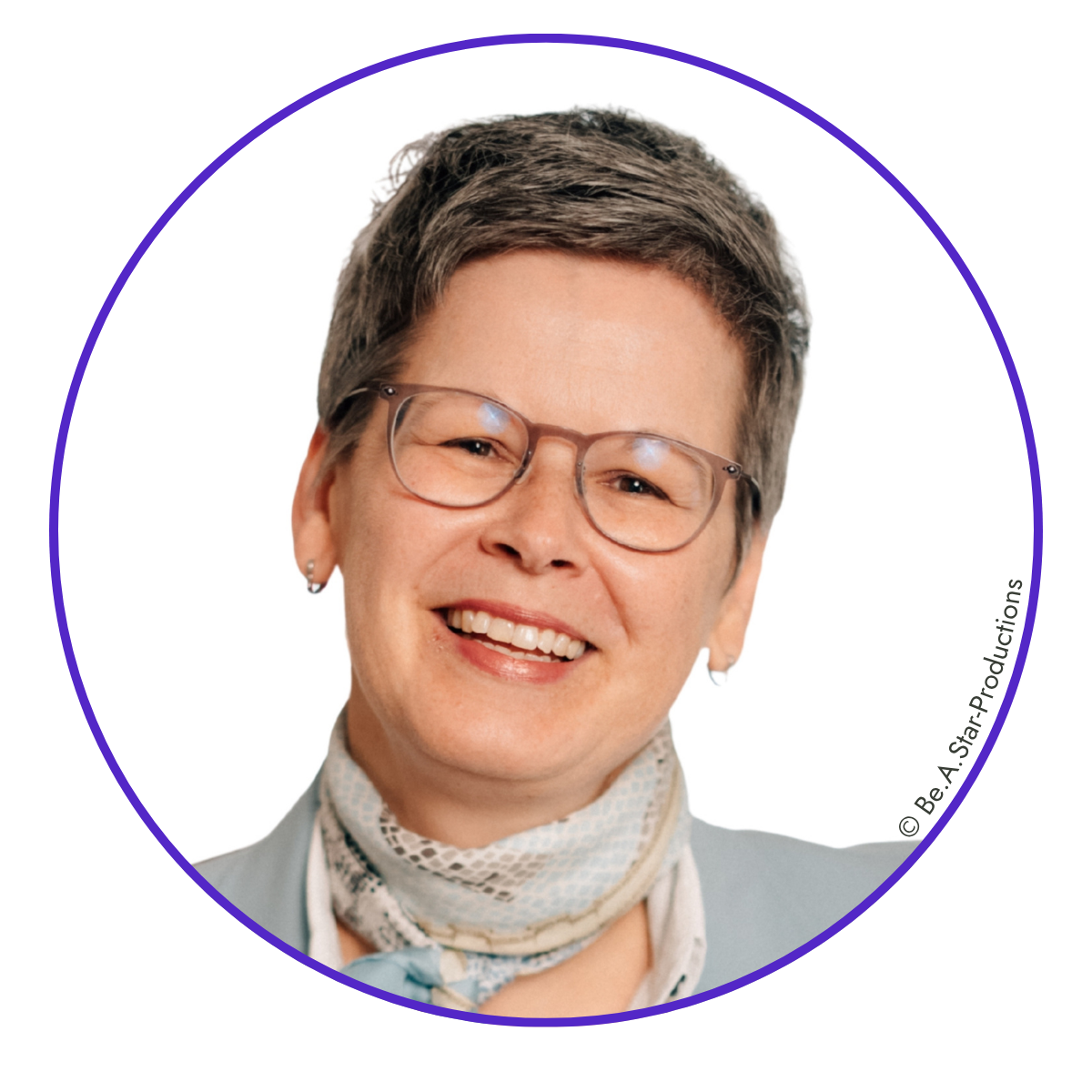
Dr. Roland Bloch
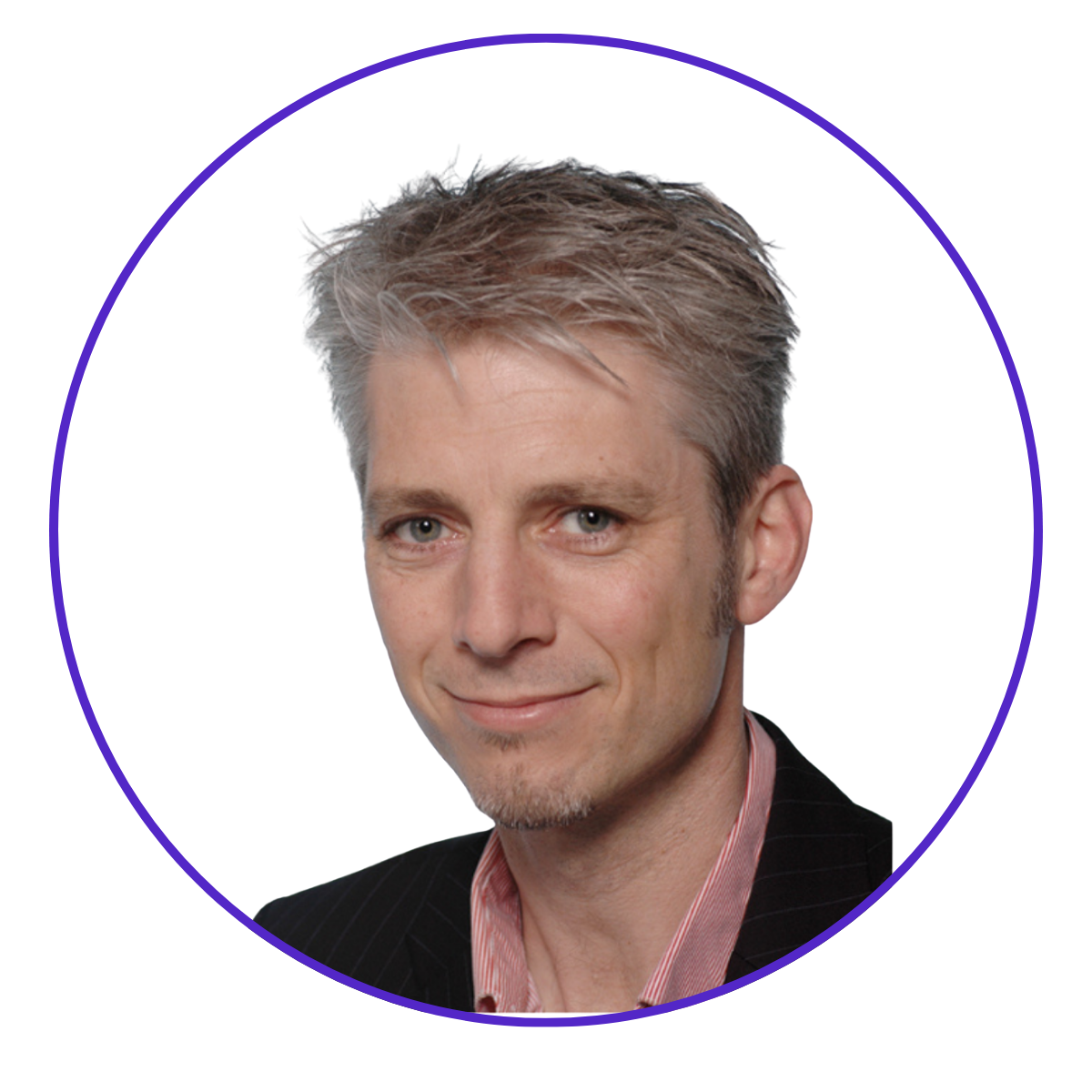
Dr. Silvana Burke
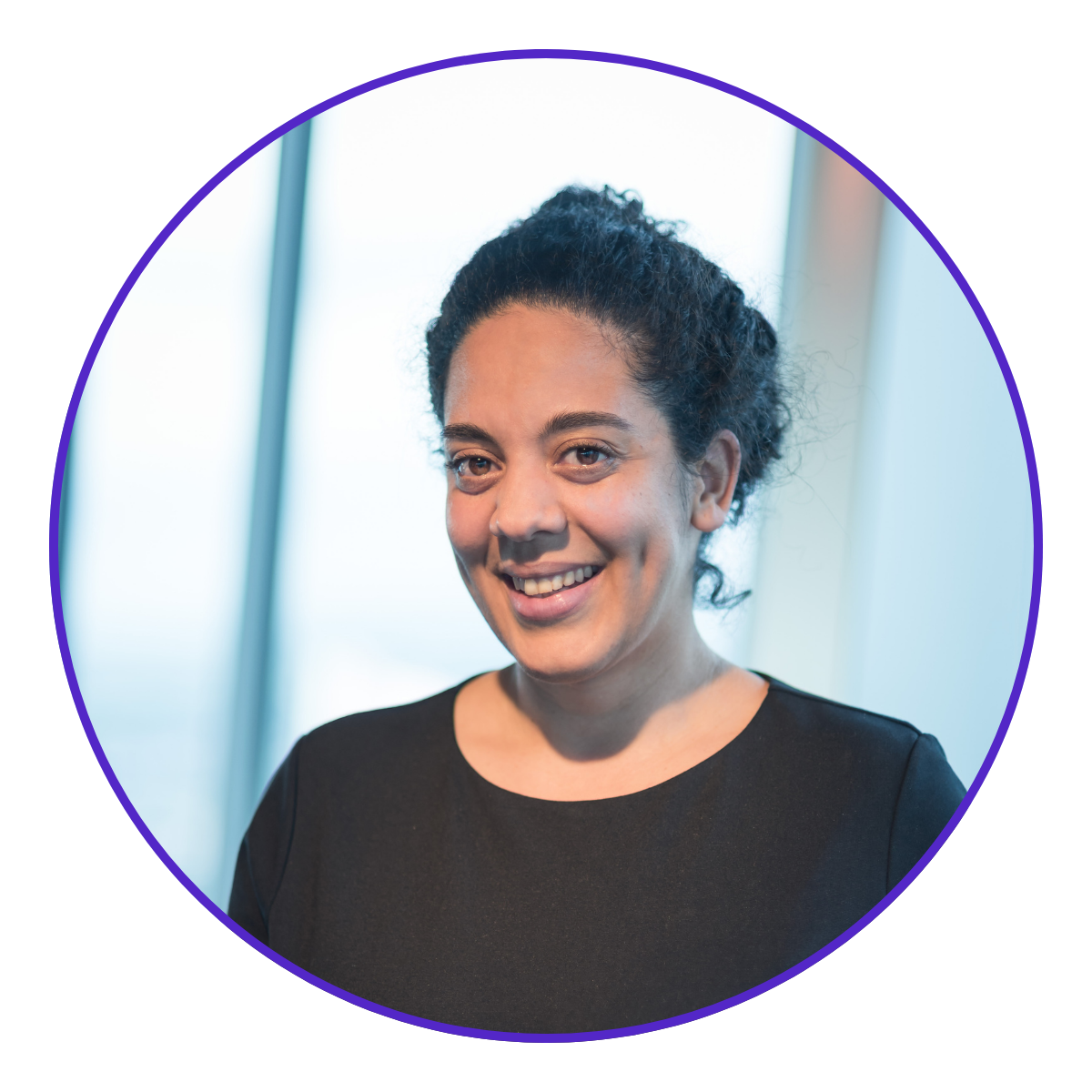
Dr. Camila Hernández Frederick
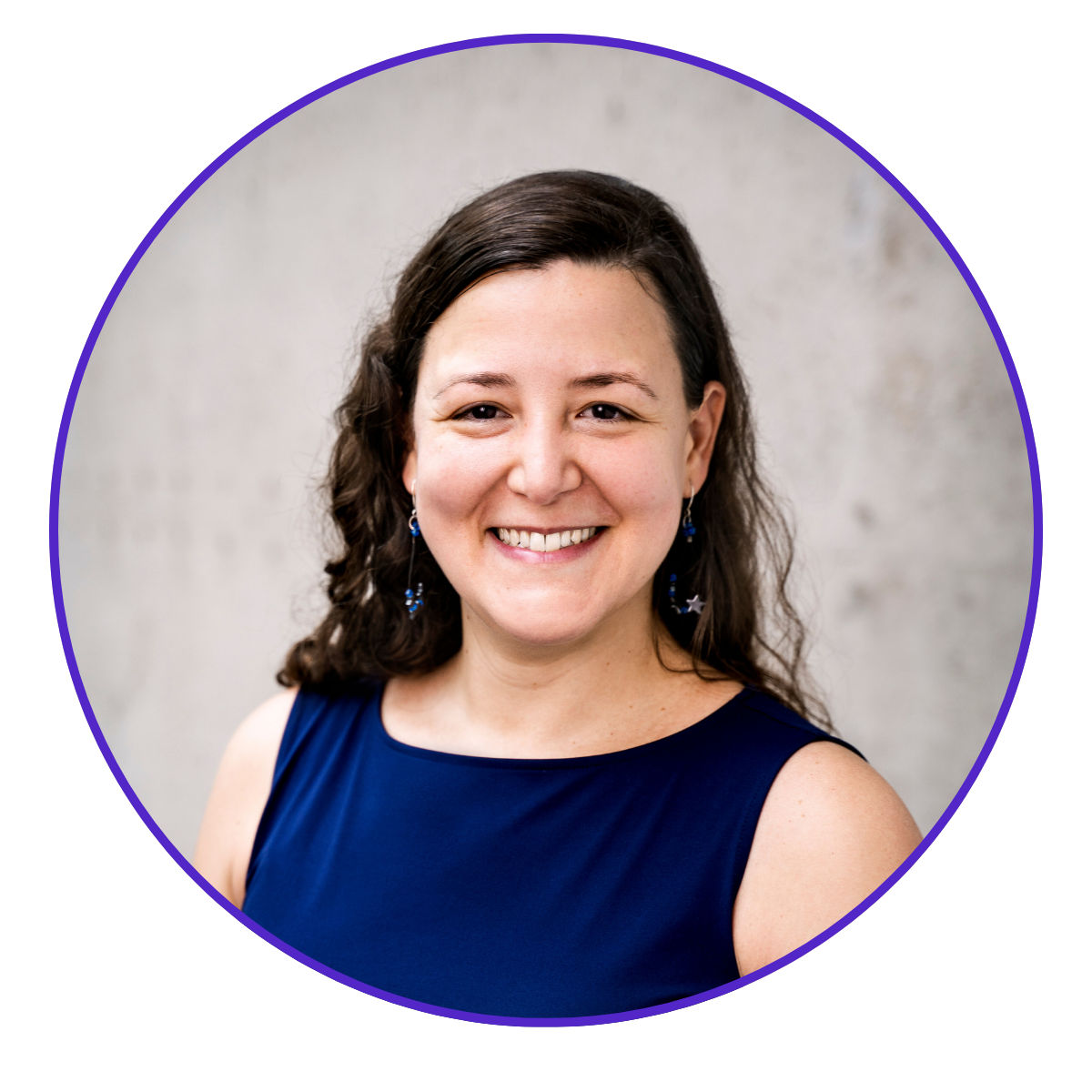
Dr. Linda Jauch
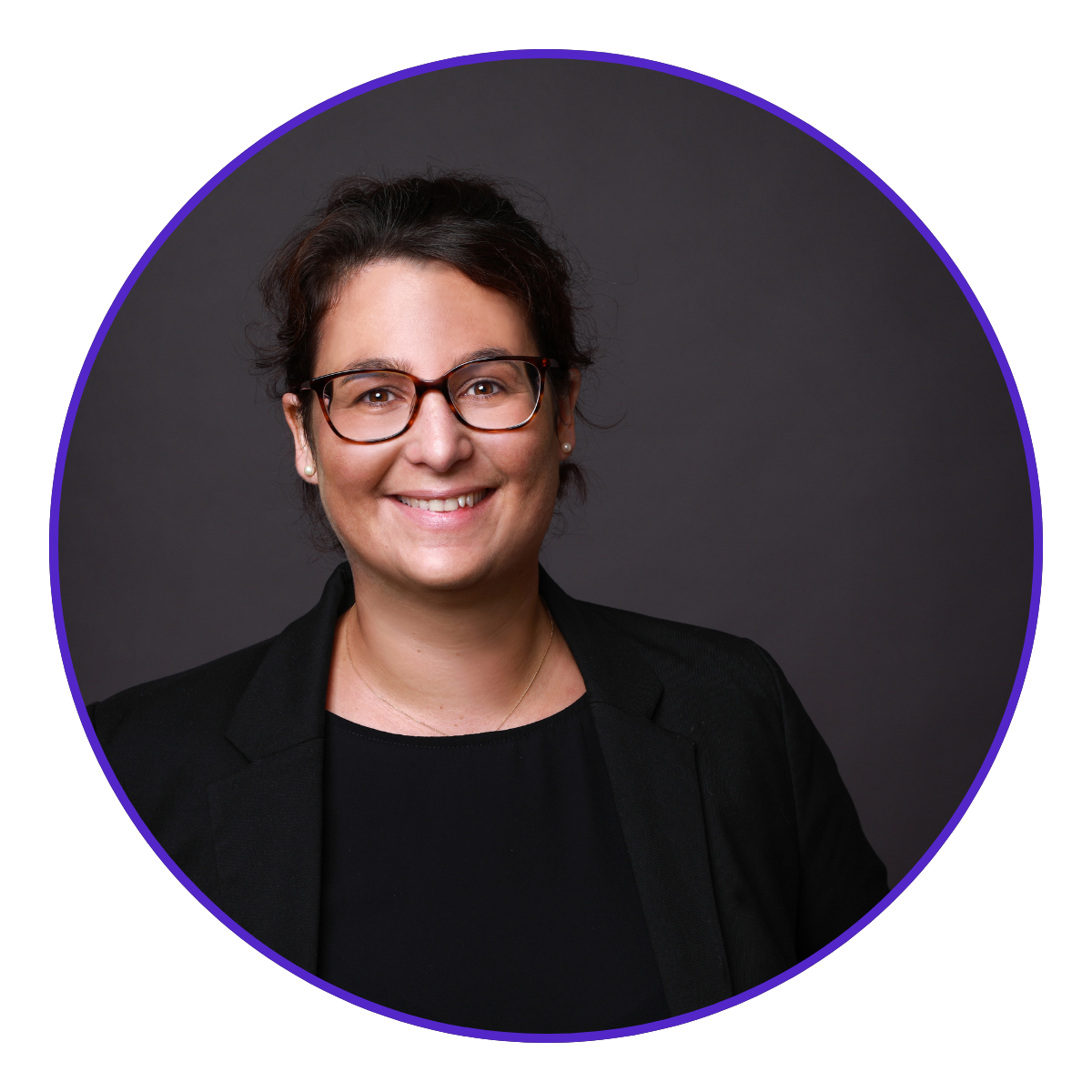
Dr. Christian Kny
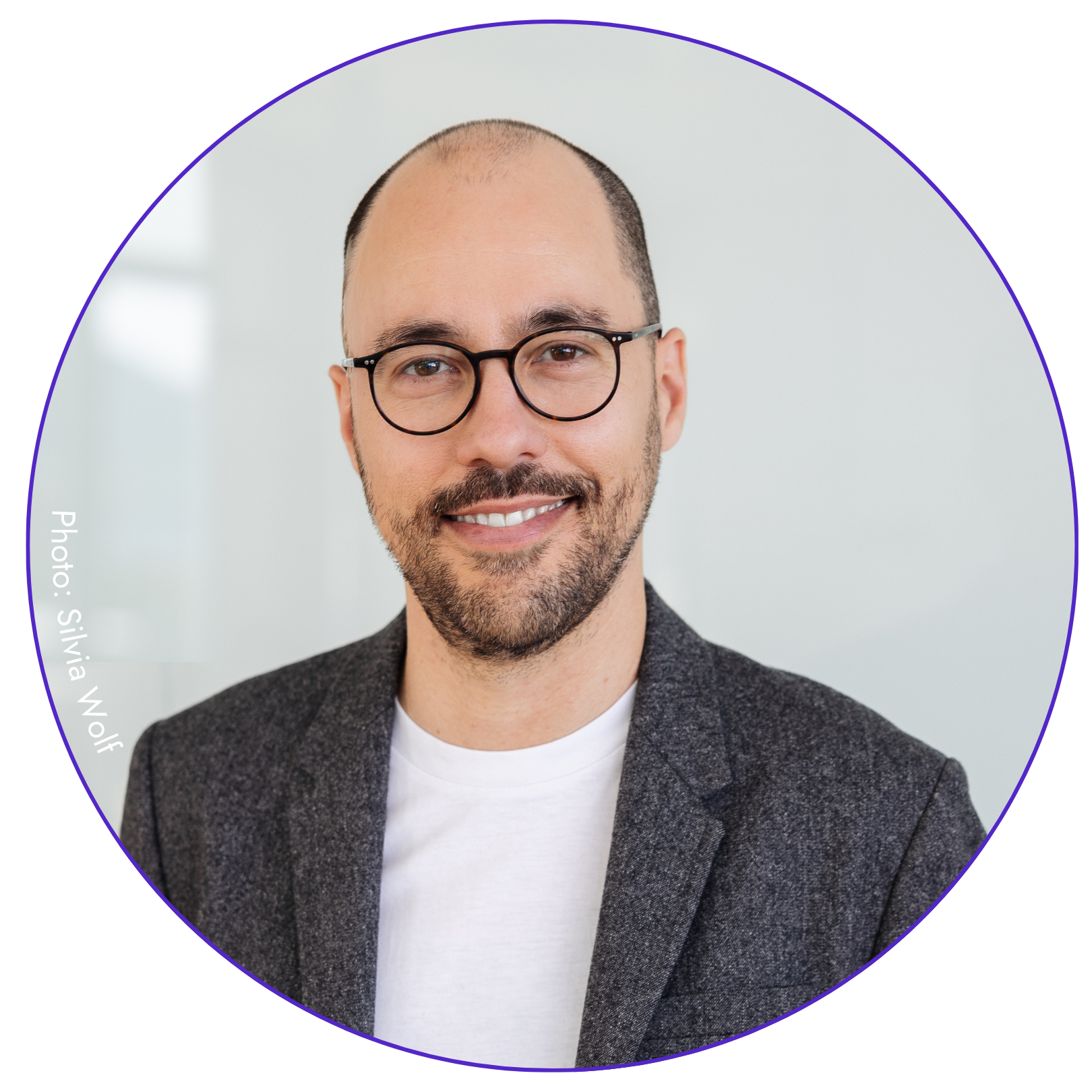
Ellen Laurer
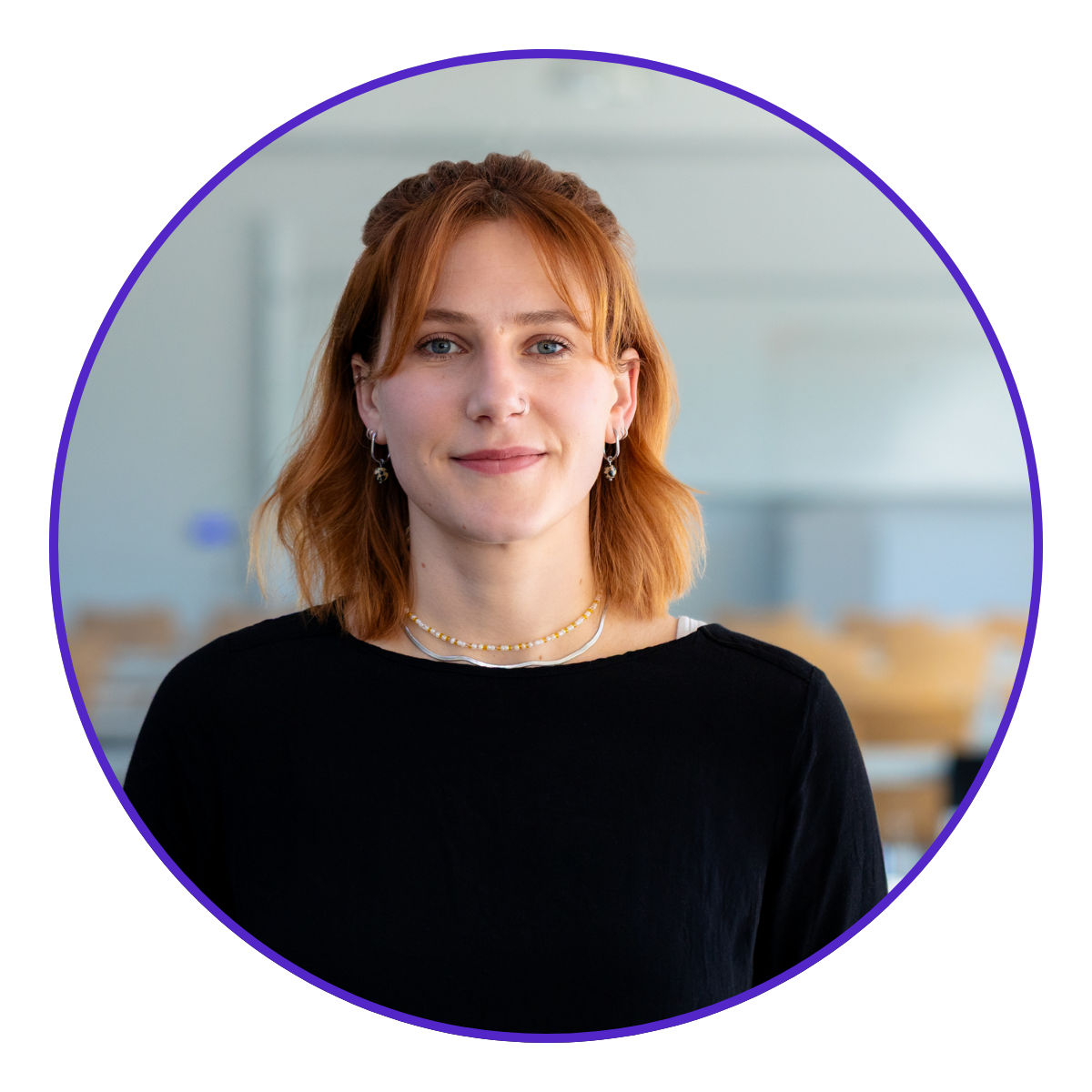
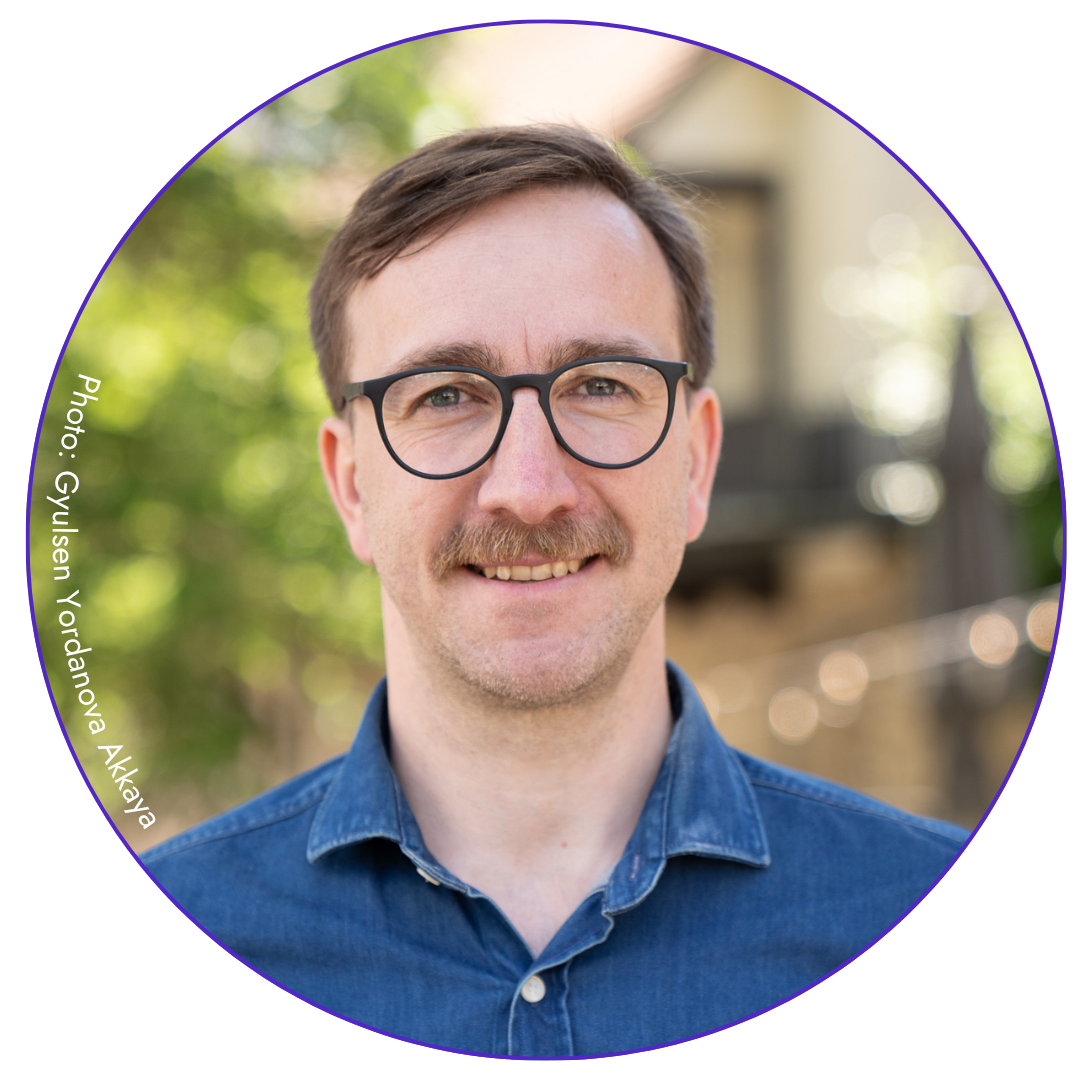
Dr. André Stiegler
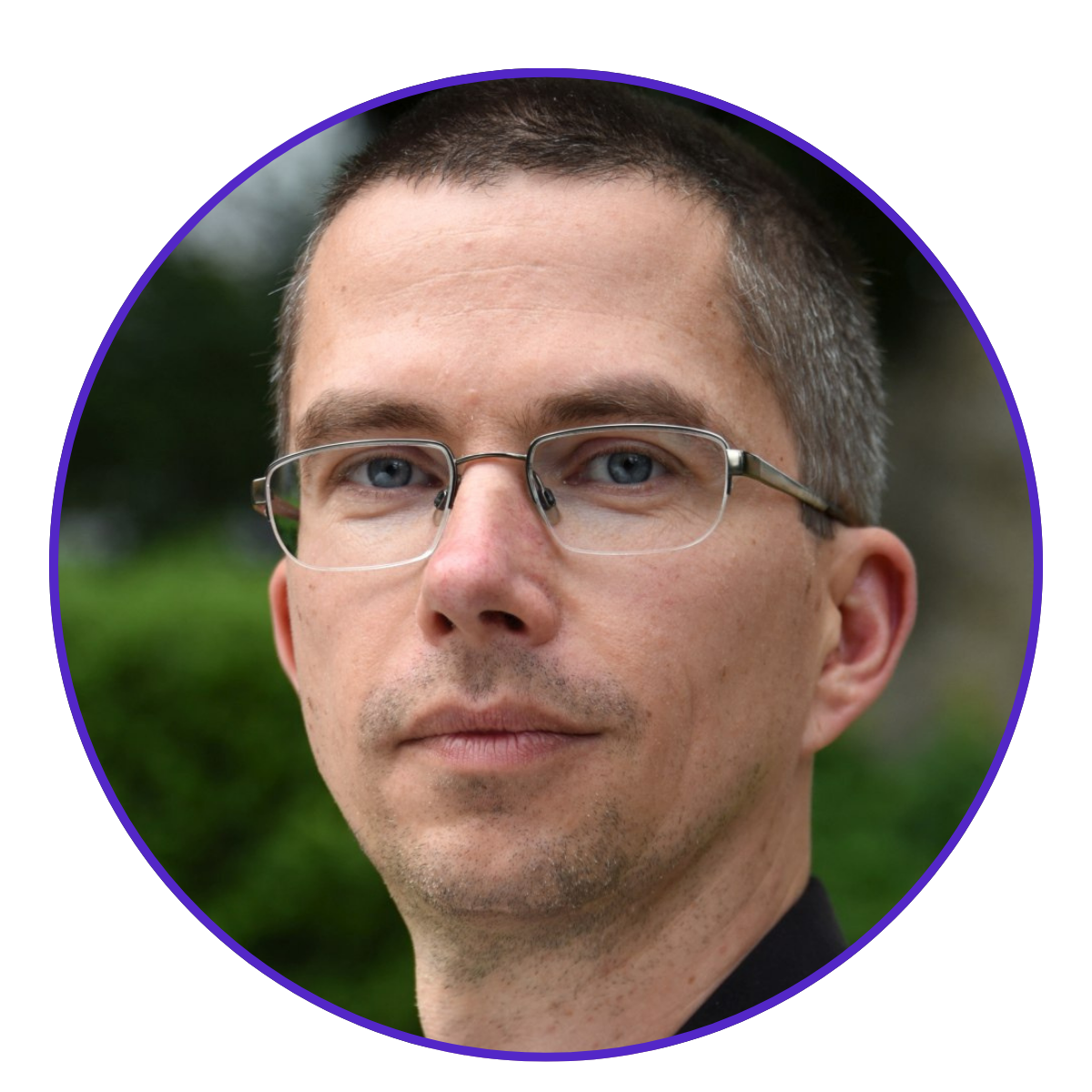
Dr. Michael Wutzler
Symposium III: Intersectoral Mobility (ISM) for Researchers – Balancing Opportunities and Challenges
The symposium focuses on intersectoral mobility (ISM) for researchers, meaning movement between universities, industry, public research institutions, and NGOs. ISM increases the permeability of the scientific system and advances knowledge. Non-academic work experience has long been central for professorships at Universities of Applied Sciences (UAS), and new programs supported by the German FH-Personal initiative respond to a growing shortage of suitable applicants and aim to strengthen professorial preparation. The German Council for Science and Humanities has emphasized that transparent staffing structures are key to enabling ISM. Although its value is widely recognized in Europe, only a few targeted support programs exist in Germany. Transitions to non-academic sectors are still perceived as one-way moves with limited paths back. Structural barriers persist: Entrenched institutional mindsets, weak assessment frameworks for diverse careers, legal constraints, and insufficient policy incentives for flexible transitions. This symposium will bring together researchers, program managers, stakeholders, and policy advisers to gather perspectives from academia, politics, and industry, identify needs, and explore support measures for transitioning between sectors. It will examine barriers in Germany, highlight best practice examples and map challenges at individual, institutional, and policy levels. The aim is to develop a roadmap for more flexible mobility and strengthen the recognition of non-academic experience as an equally valuable career path. The event encourages long-term collaboration and knowledge exchange to boost innovation and societal impact. Key participants from academic and non-academic sectors, industry, and the European level will provide broad perspectives. Ultimately, the symposium aims to lay the groundwork for a mobility culture in which talent moves freely, qualifications travel with it, and the research system gains strength from both.
Symposium III Team
Dr. Barbara Janssens
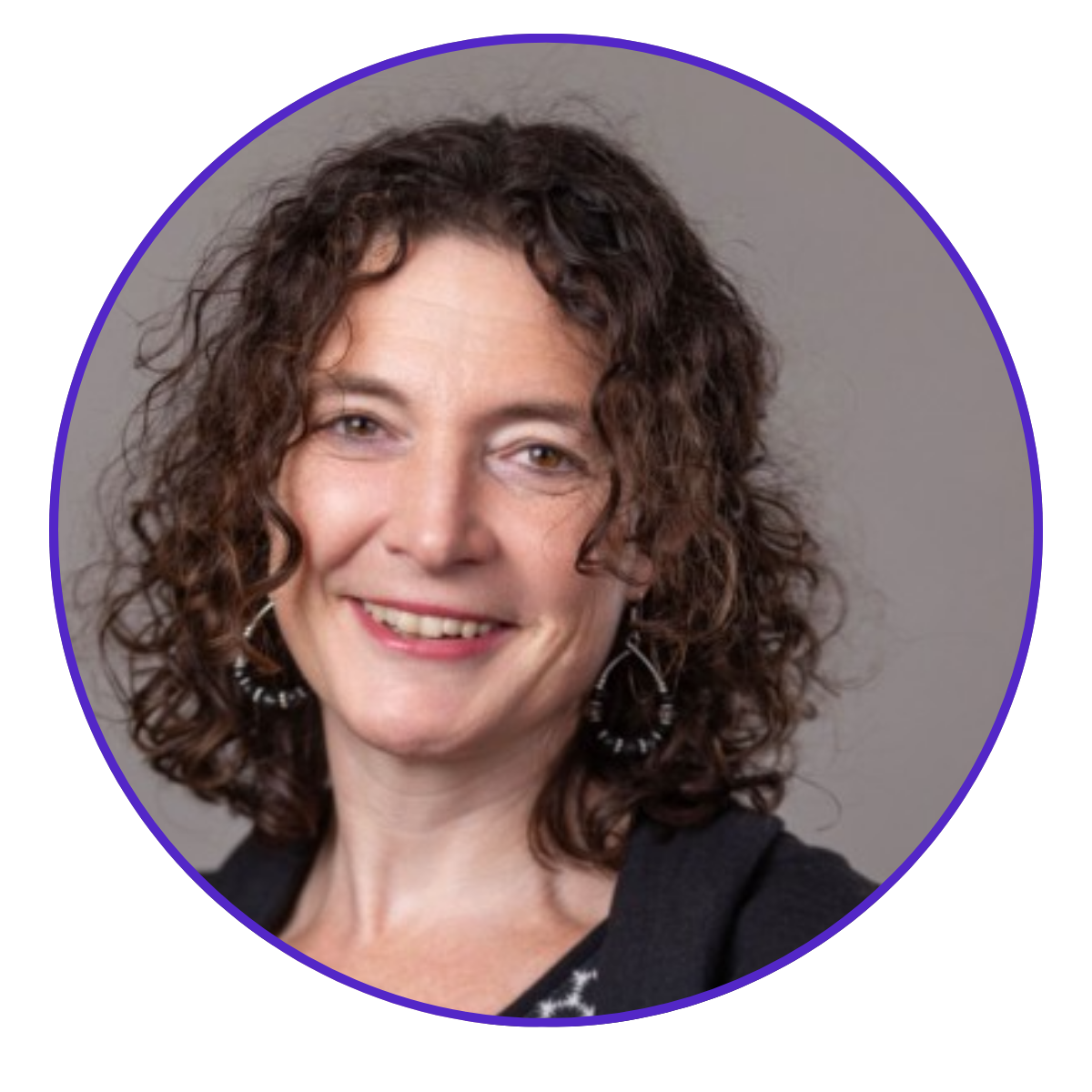
Dr. Andre Lindörfer
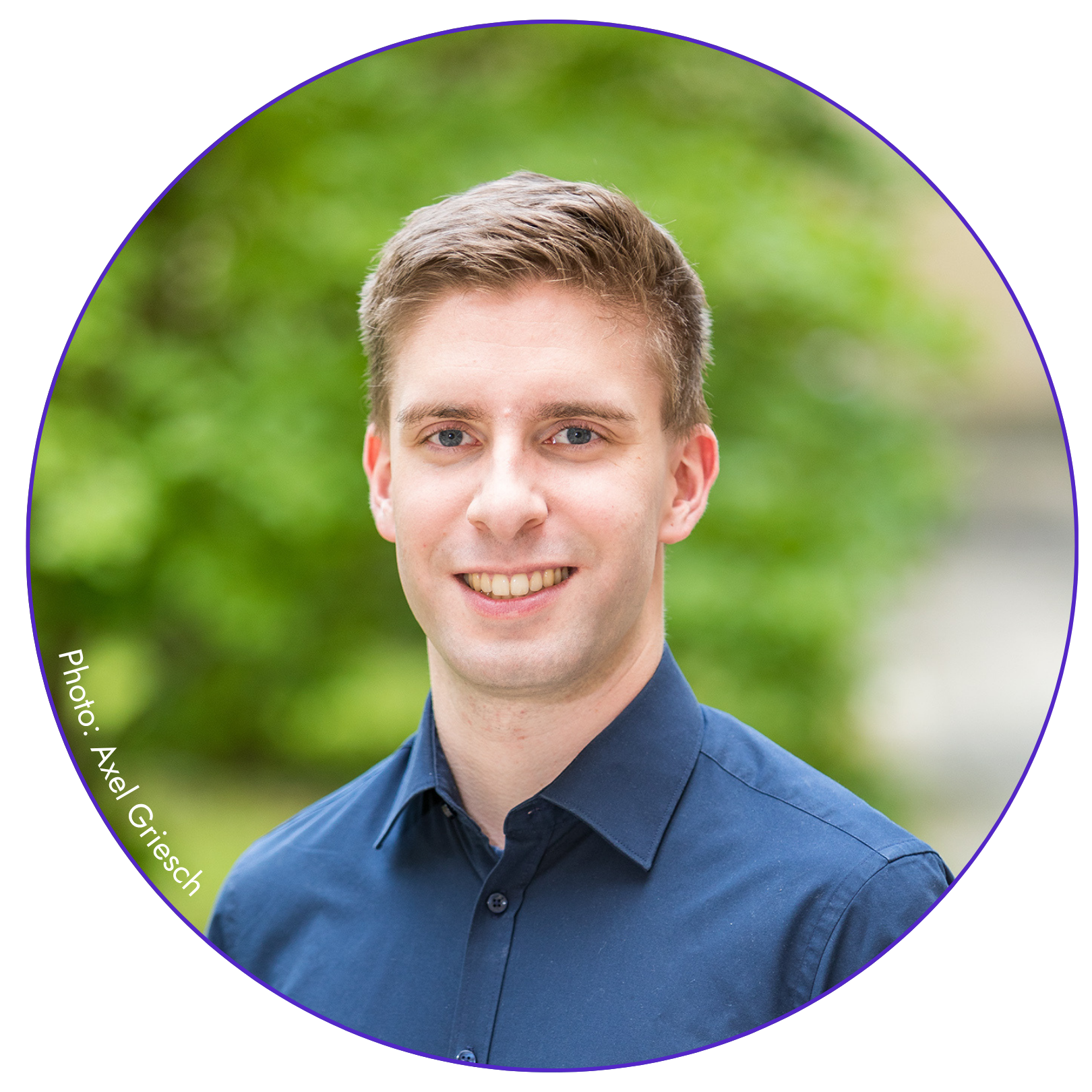
Dr. Neele Meyer
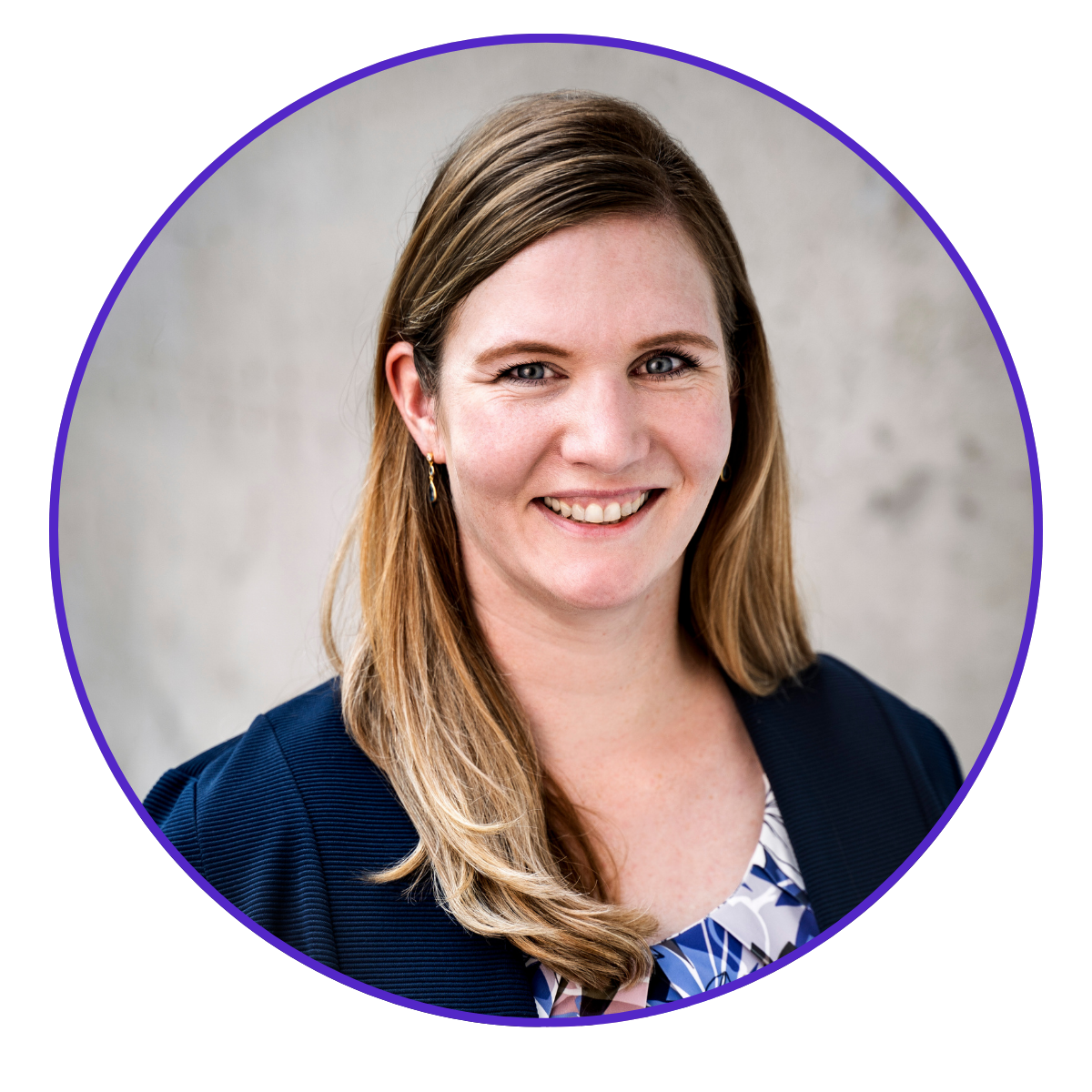
Dr. Mariana Schulte-Sasse