International Research Careers in Challenging Times: Our Event Recap
How does international mobility shape research careers, and how are geopolitical developments changing international scientific collaboration? How are universities and research organisations adapting their internationalisation strategies? International mobility and scientific exchange have long been important elements of academic careers. Yet planning a research career across borders can be challenging in a context shaped by geopolitical tensions, funding uncertainties and changing migration policies.
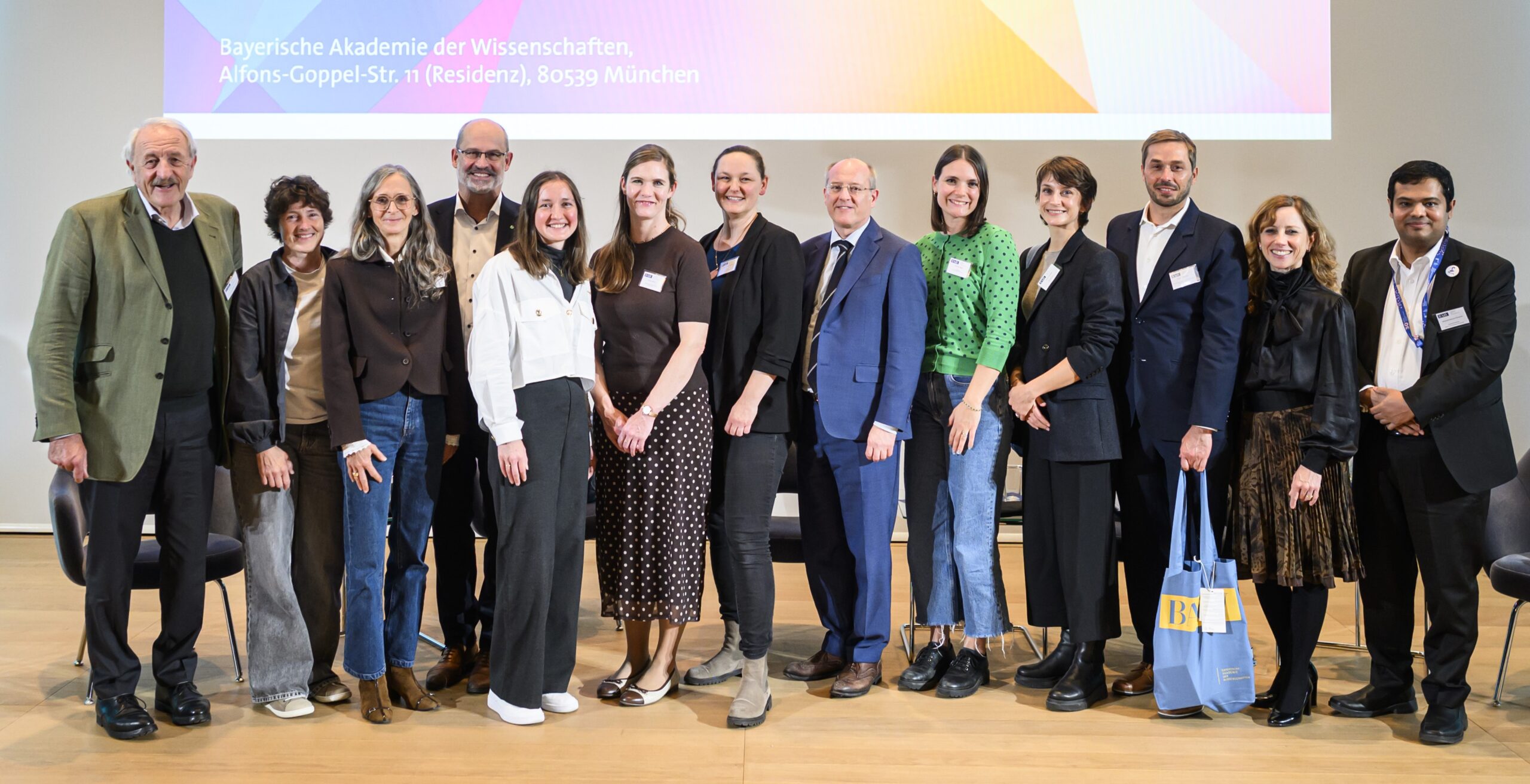
Together with the Bavarian Academy of Sciences and Humanities (BAdW) and the Alexander von Humboldt Foundation (AvH), we invited postdocs, researchers – including many Humboldtians from the Munich area – research managers and institutional leaders to join us in Munich to discuss what internationalisation means in practice for the next generation of researchers.
Through keynote impulses, panel discussions, networking opportunities and an opportunities fair, we explored both practical career questions and broader strategic developments.
A Joint Keynote: Different Paths, Shared Perspectives on International Mobility
The keynote session, "The Double Helix of Innovation: Global Exchange and the Future of Science", brought together Prof. Dr. Andrea Bréard and Prof. Dr. Daniel Rückert. Both returned to Germany after extended periods of research abroad, making their careers valuable examples of how international experience and networks can shape academic trajectories.
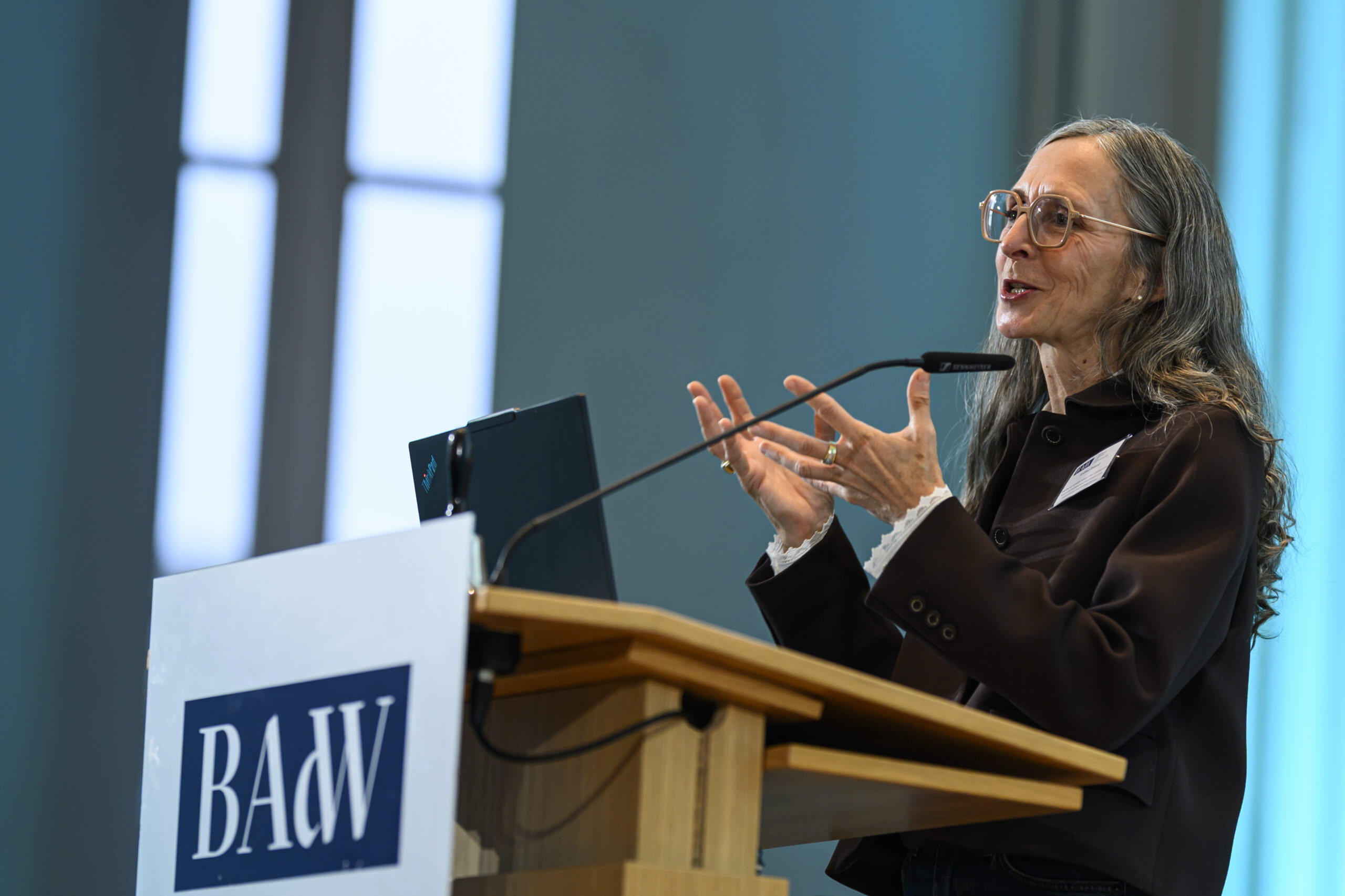
Prof. Dr. Andrea Bréard, Vice President for Education and Alexander von Humboldt Professor at FAU Erlangen-Nürnberg
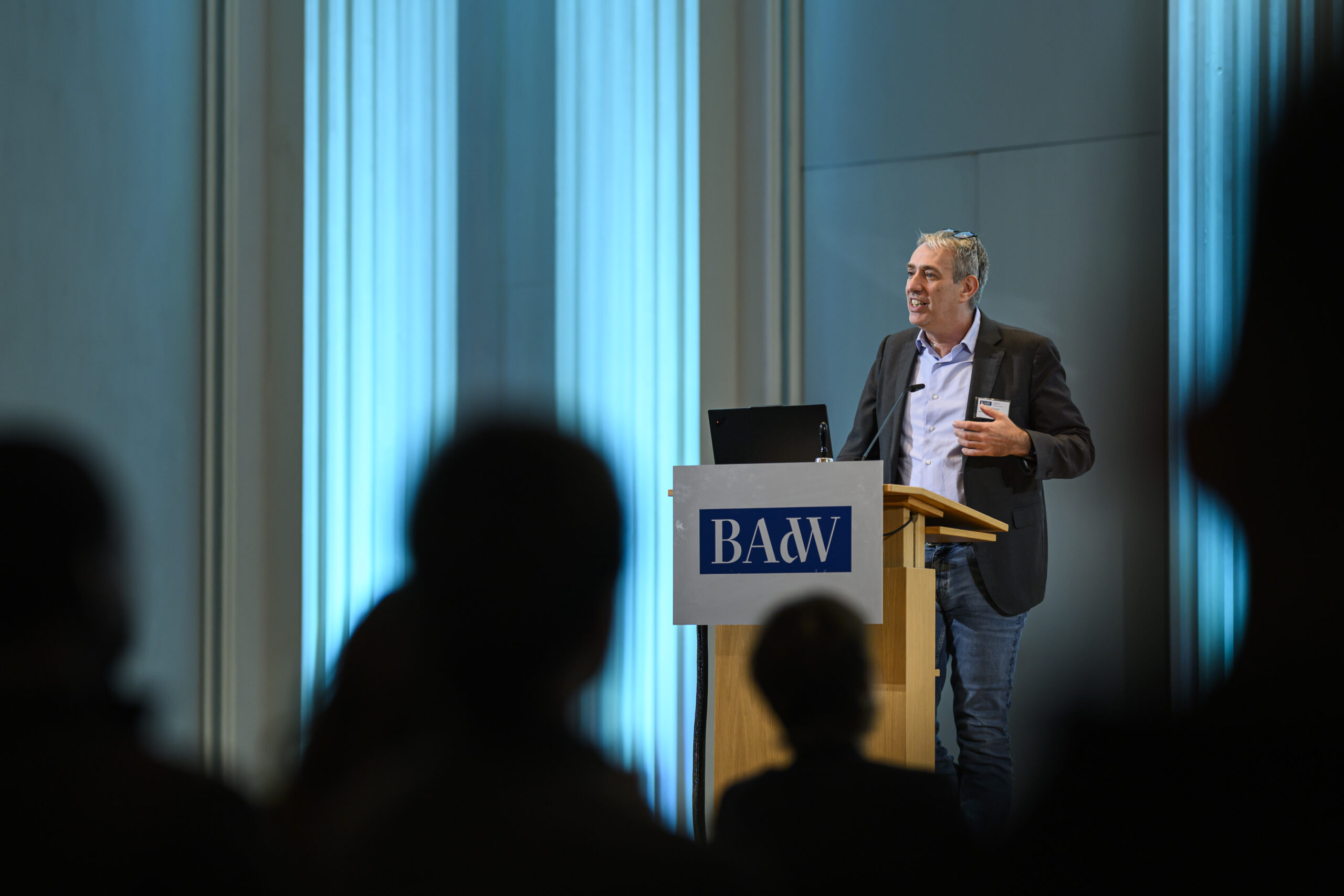
Prof. Dr. Daniel Rückert, Alexander von Humboldt Professor for AI in Medicine and Healthcare at TUM
They introduced the double helix as a metaphor for the relationship between academic careers and geographical trajectories. Drawing on three underlying principles, the speakers illustrated how these two dimensions are inseparably intertwined: career development and geographical mobility shape one another, just as the two strands of a double helix are connected by horizontal links while twisting in opposite directions. Both strands follow the same central axis, maintaining a constant relationship with one another.
Bréard's academic journey, with its numerous international stations, demonstrated how moving between countries and institutions can broaden perspectives and provide exposure to different academic cultures. Rückert, by contrast, spent an extended period abroad within one broader academic environment, moving between institutions while gaining an in-depth understanding of another research system. The connections established during that time continue to be valuable today.
Their experiences highlighted an important message: There is no single model of a successful international research career. Moving between different countries can broaden a researcher's horizons, while spending a longer period in one place can offer equally valuable opportunities to understand another academic system and establish lasting connections. Maintaining ties with one's home country can also help create the conditions for a return.
Ultimately, international mobility requires a willingness to take the plunge: stepping into a new environment, embracing uncertainty and gaining the independence that comes with navigating a different academic and cultural context.
Challenges and Opportunities for Postdocs
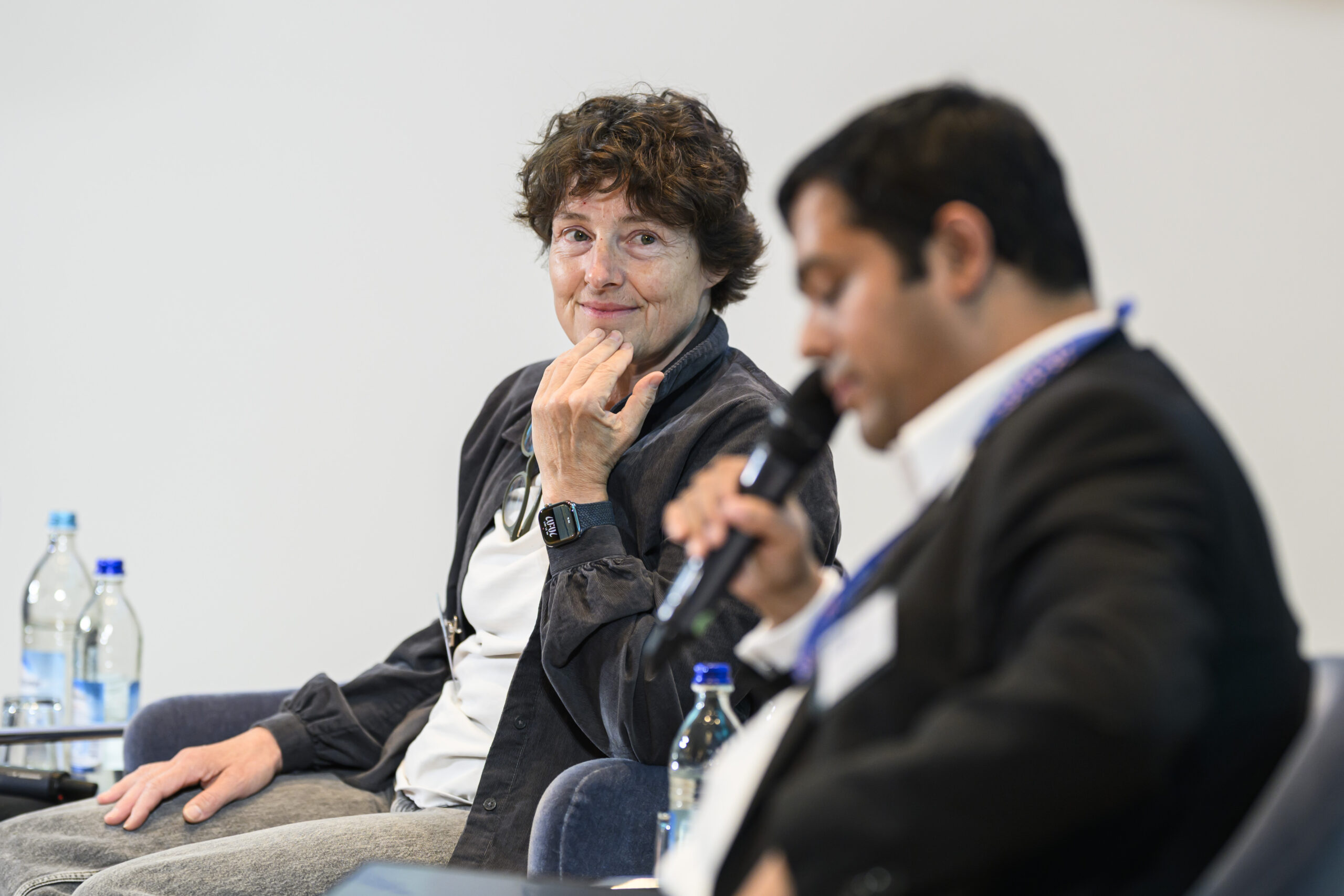
The first panel discussion turned to the perspectives of researchers navigating their own career paths. Moderated by Dr. Alexander Rudolph, Postdoc at LMU Munich and Member of the Young Academy of the BAdW, and Ilka Schießler-Gäbler, Head of Unit Programs and Networks at the Max Planck Society, the discussion brought together Dr. Patricia Ogger (Project Leader, MPI of Biochemistry), Dr. Anne Schreiter (Executive Director, GSO) and Dr. Philipp Baumert (Associate Professor, UMIT TIROL).
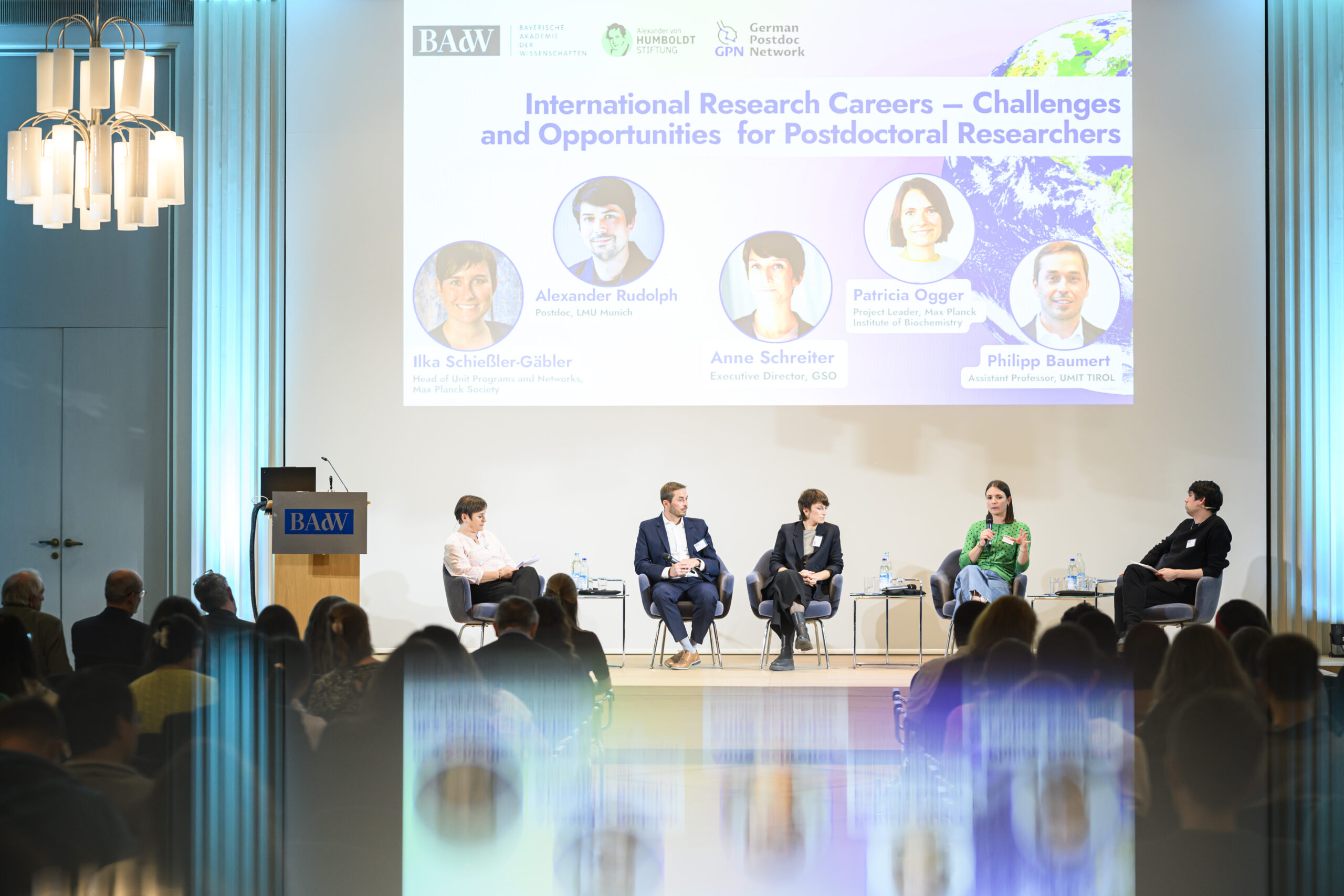
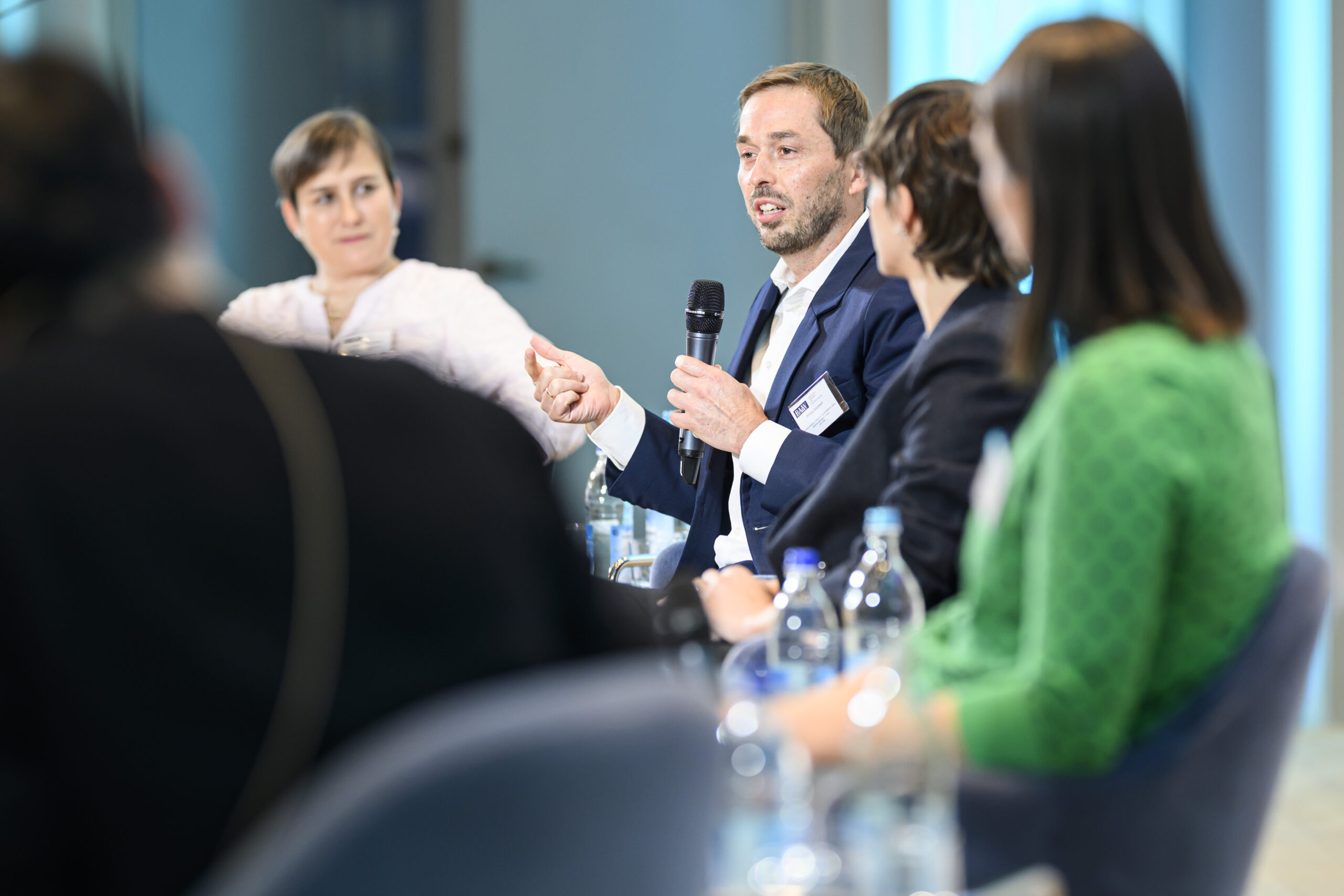
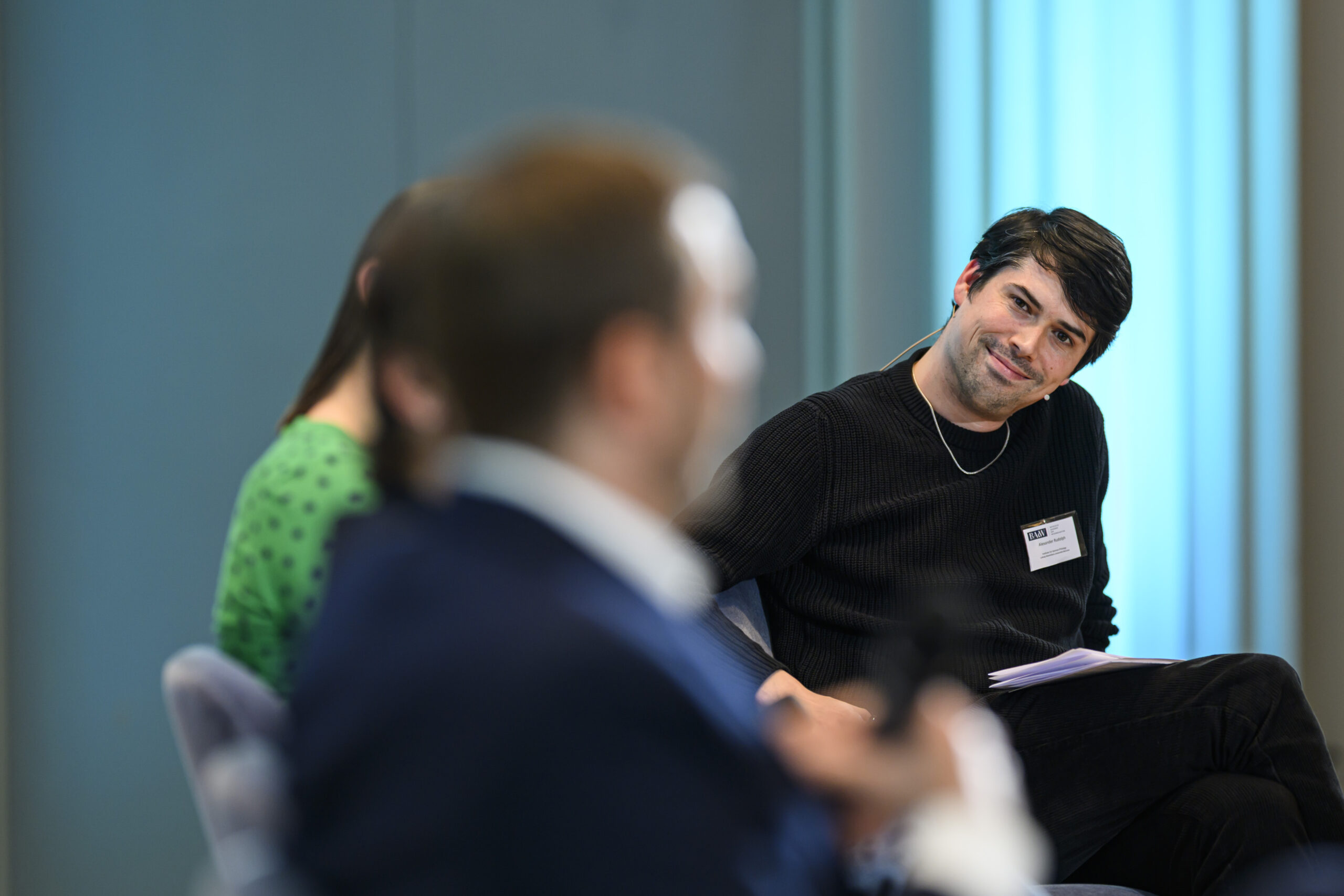
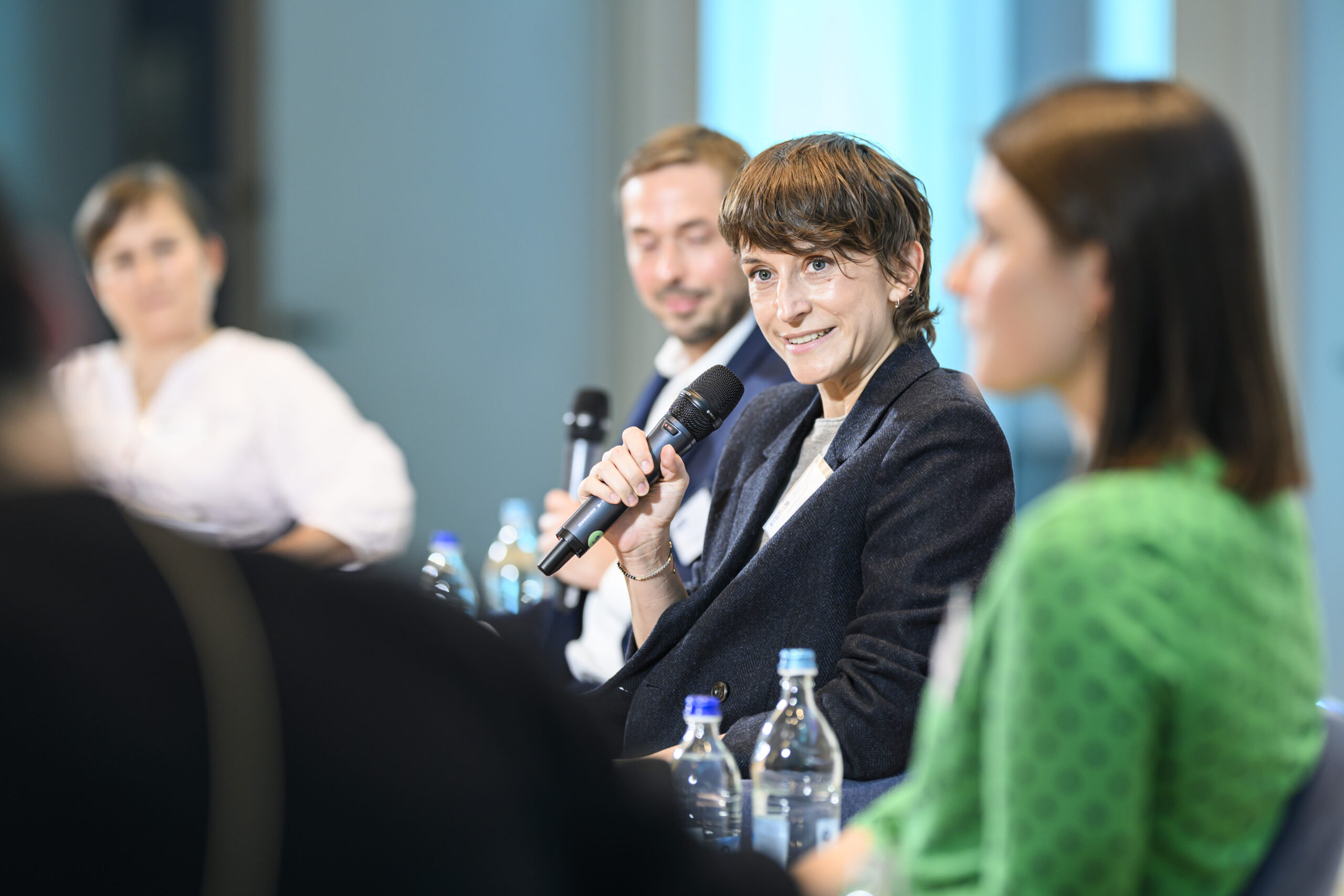
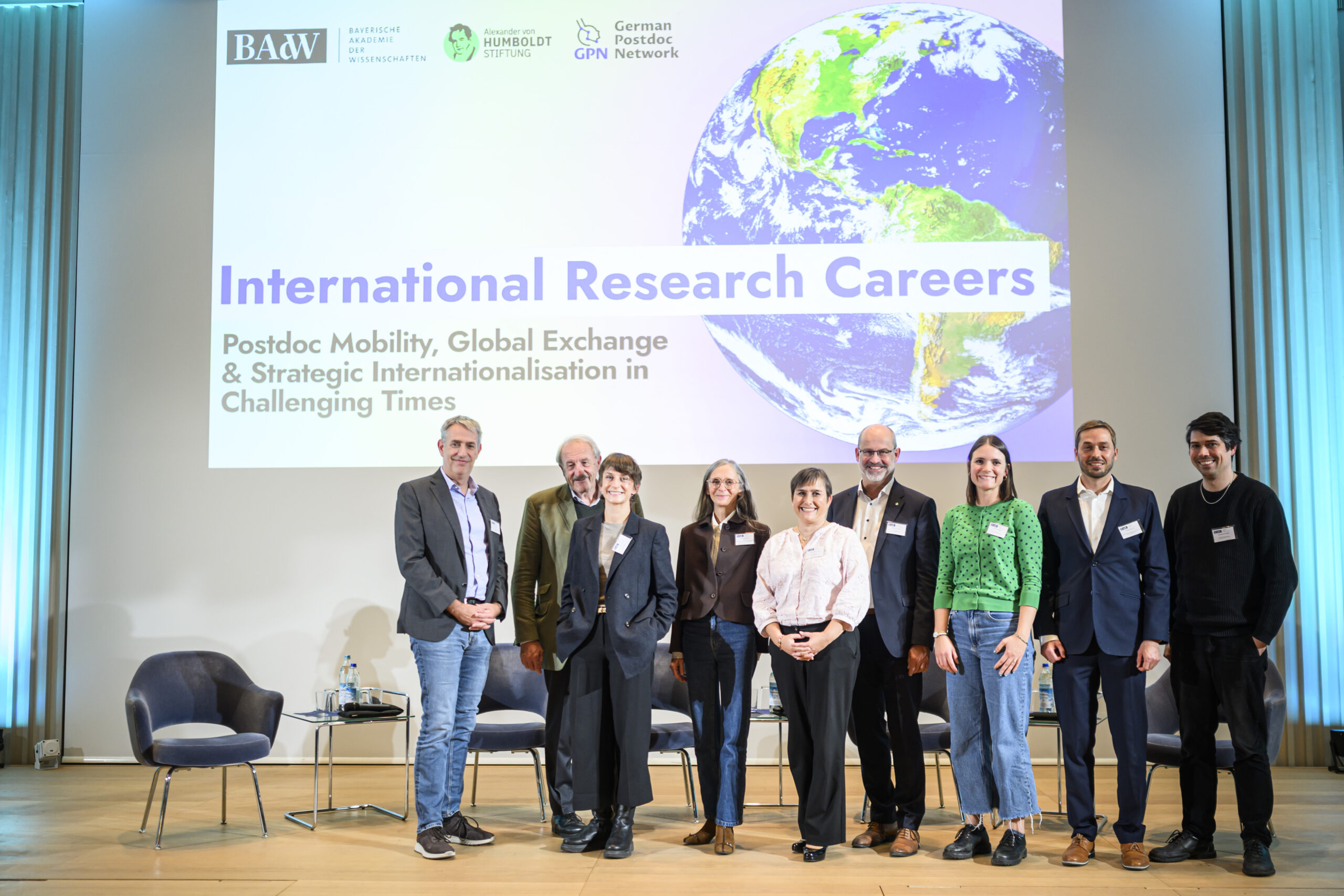
Rather than treating international mobility as an unquestioned requirement for academic success, the discussion explored its motivations, benefits and potential costs. What drives researchers to go abroad? How does international experience contribute to scientific independence, career development and lasting collaborations? And how can institutions make international opportunities more accessible and sustainable?
One important aspect was the value of looking back at the institutions and countries researchers have left behind. As Patricia Ogger highlighted, working abroad not only teaches researchers about a new academic environment; it can also give them a fresh perspective on their home institutions and how their own research systems operate.
At the same time, international mobility can come with professional challenges. One example discussed was the potential publication gap that can arise when researchers move between institutions or countries, potentially affecting their academic track record and career progression.
The discussion also questioned whether international experience should be regarded as a universal prerequisite for an academic career. While mobility can open up valuable opportunities, it should not become an end in itself or an expectation that overlooks individual circumstances.
A particularly important reminder from Anne Schreiter was that structural problems should not be turned into individual failures. Challenges such as insecure career paths, difficulties in transferring between research systems or unequal access to international opportunities cannot simply be solved by asking individual researchers to become more mobile or resilient. They also require structural responses from institutions and funding organisations.
Getting Support: The Opportunities Fair
Following the first panel, participants had the opportunity to explore the opportunities fair and connect with representatives of organisations supporting researchers and international collaboration.
We welcomed teams supporting researchers at universities in the Munich area, as well as representatives of the various Bavarian Centres of University Cooperation, each focusing on collaboration with a specific world region, and the initiative Research in Bavaria. We also introduced the German Postdoc Network, while the Young Academy of the BAdW and Guidance, Skills & Opportunities for Researchers (GSO) presented their respective programmes and services.
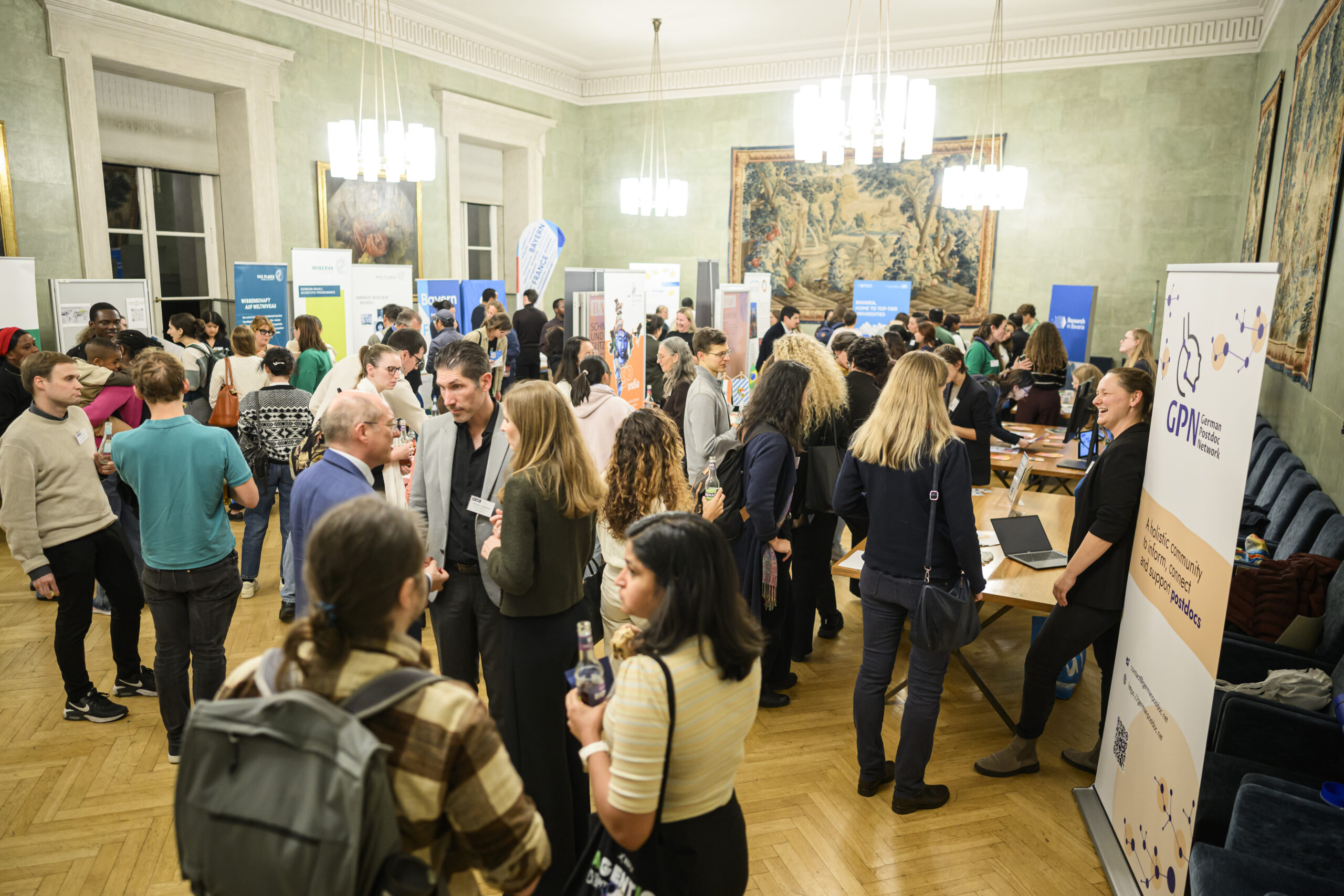
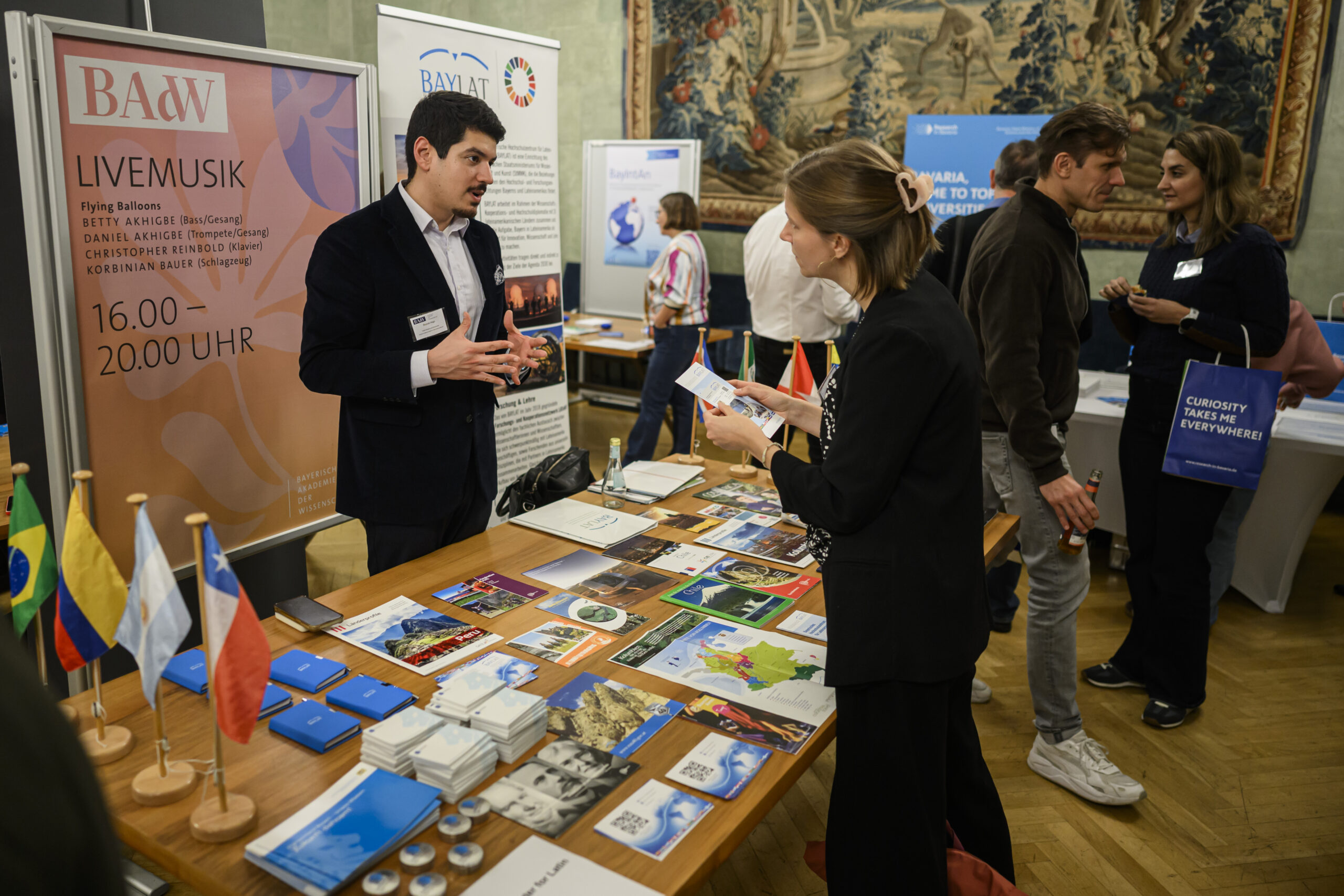
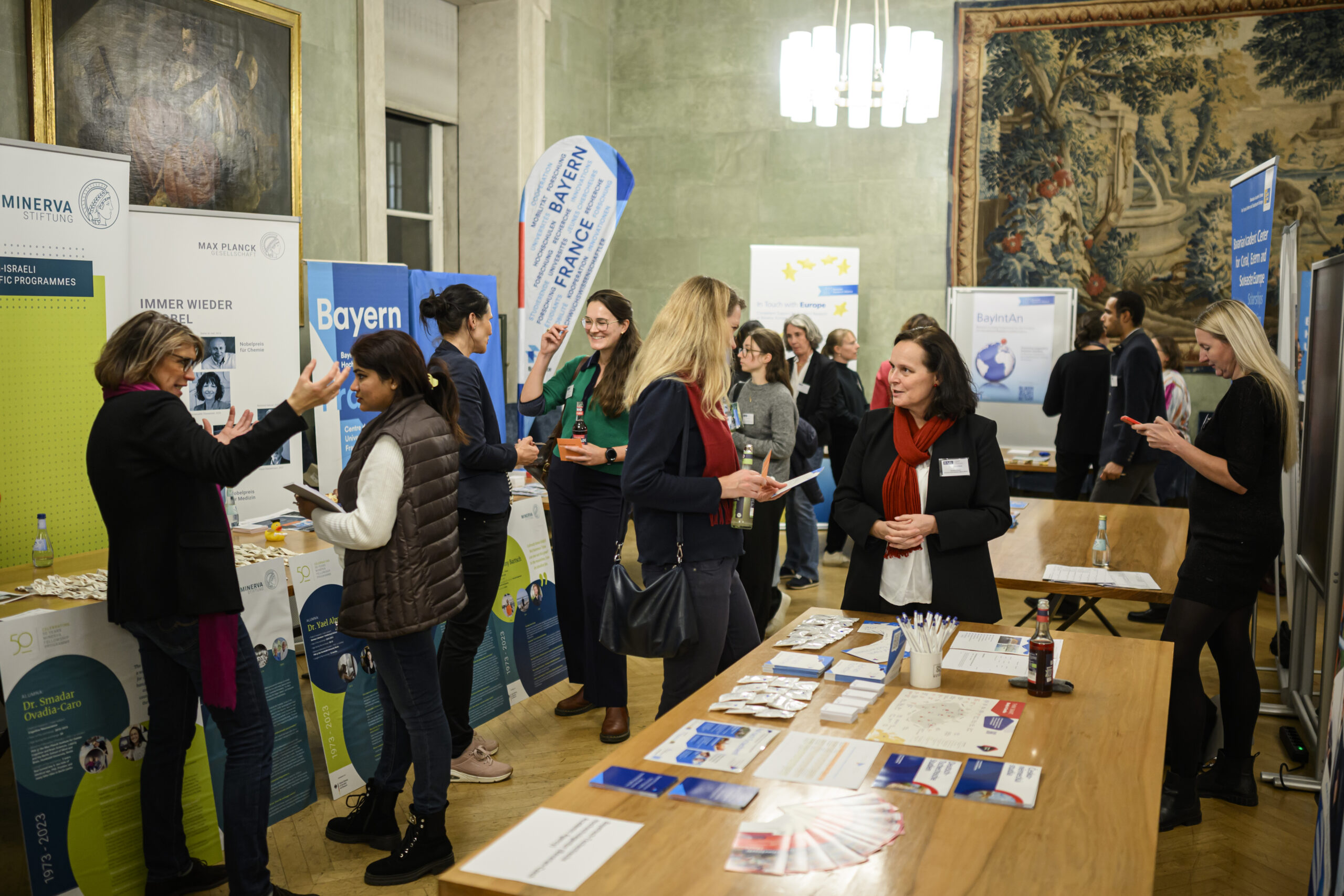
The fair offered a valuable reminder to make use of the many support structures available at the institutional, regional and national levels and to actively seek out networking and funding opportunities. There is often more support available than researchers realise: from region-specific expertise and international partnerships to career development, funding advice and networking opportunities. The key is knowing where to look and making use of the resources available.
To get an overview of all exhibitors, browse through the Program & Exhibitors Guide.
From Individual Mobility to Institutional Strategies
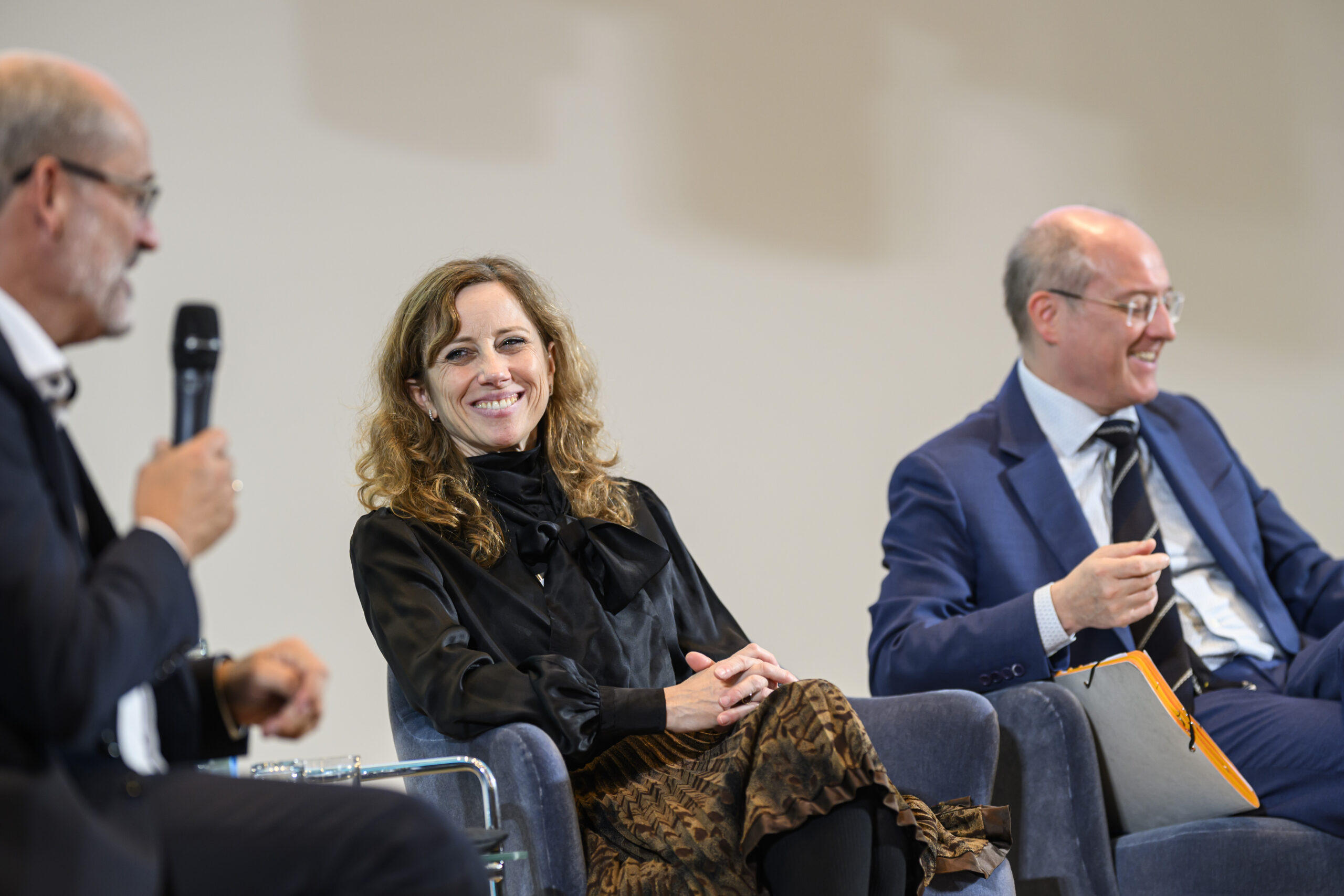
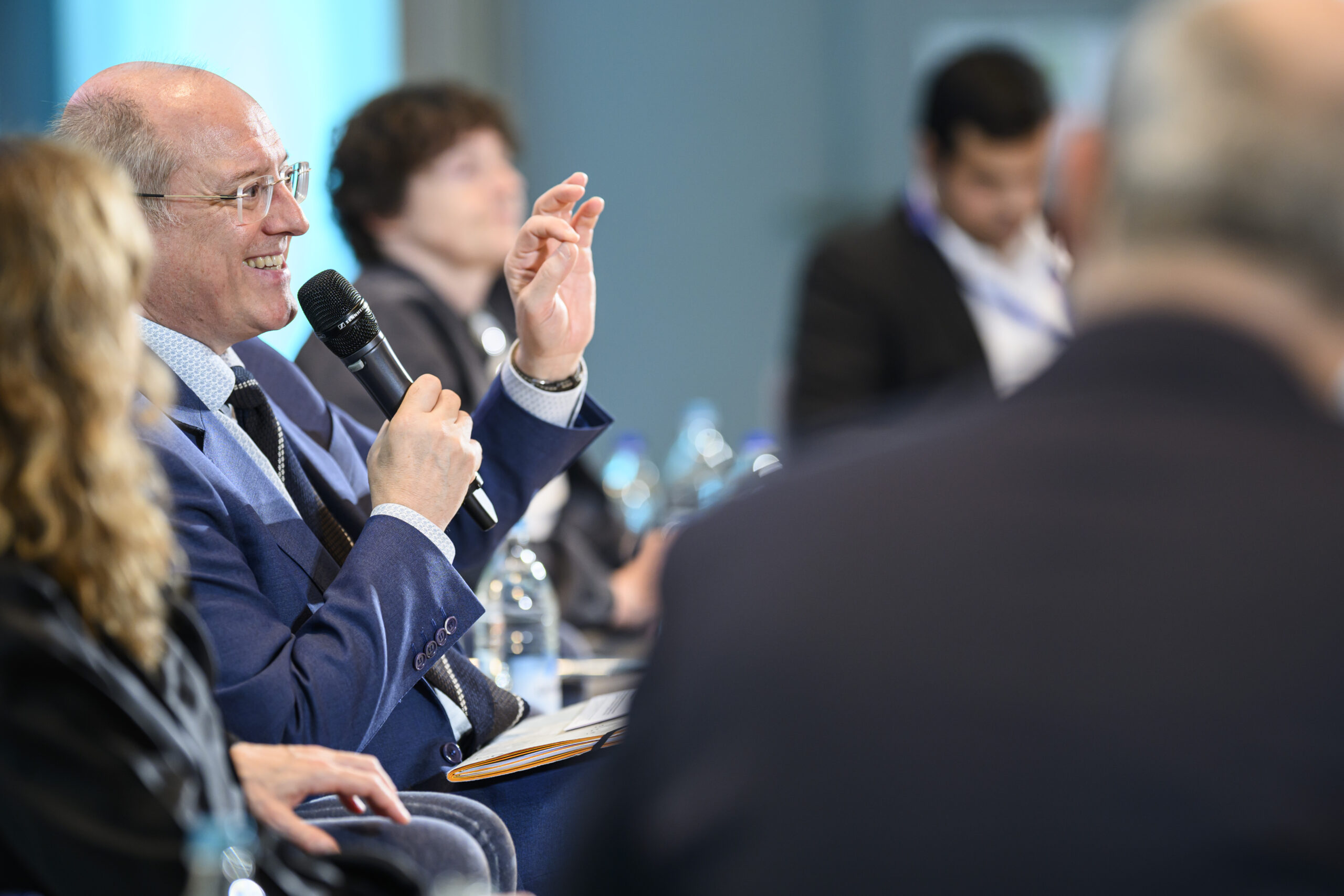
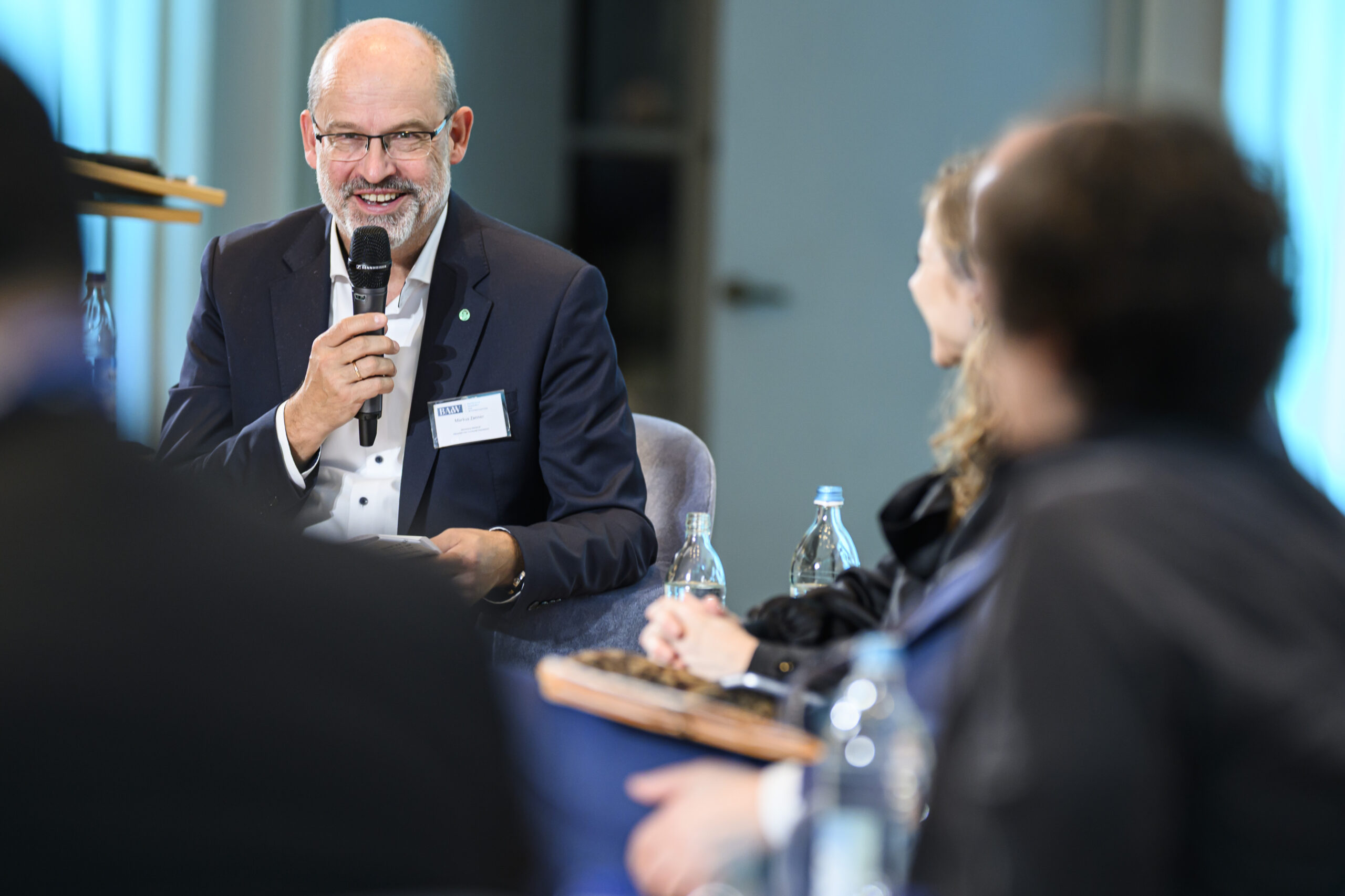
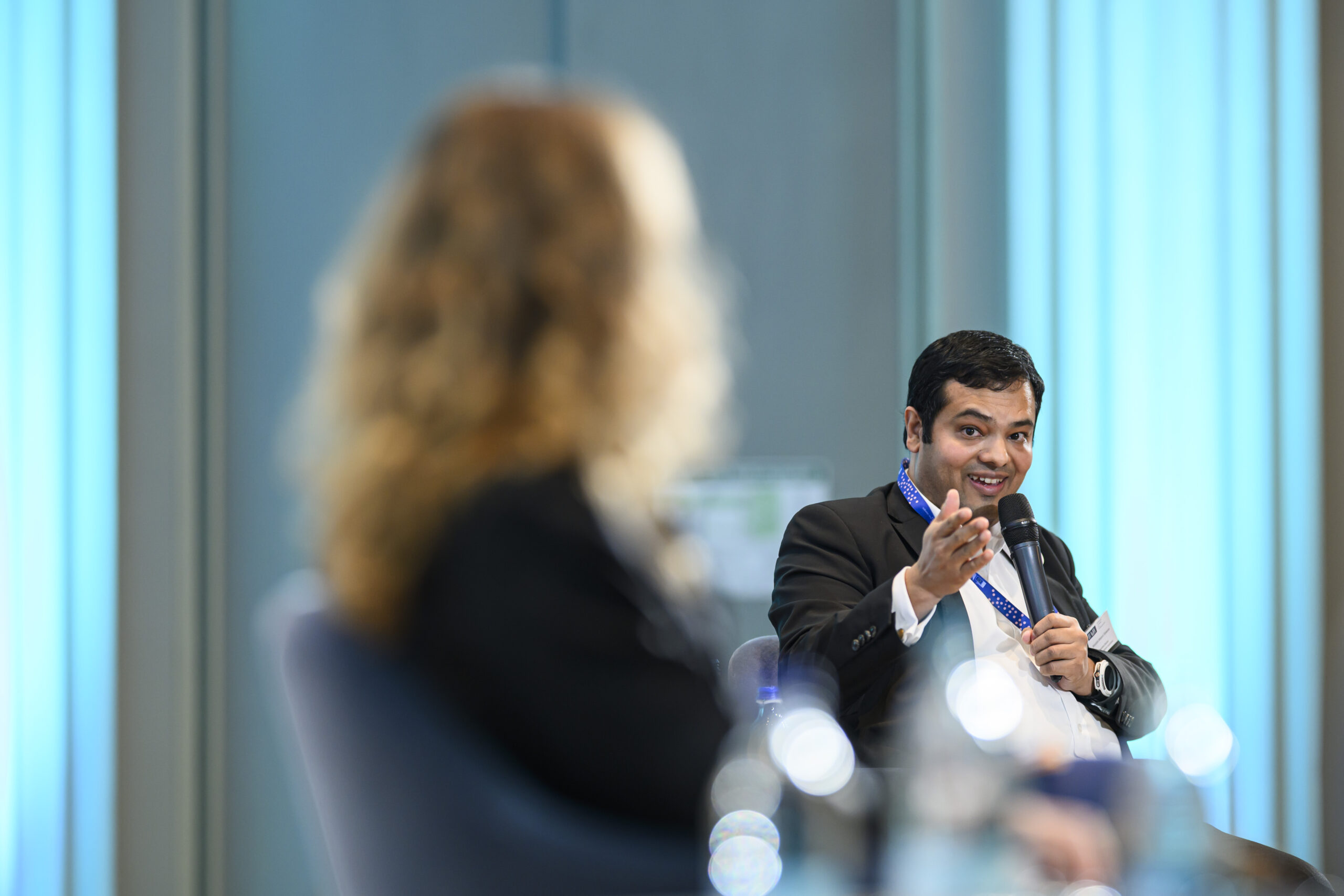
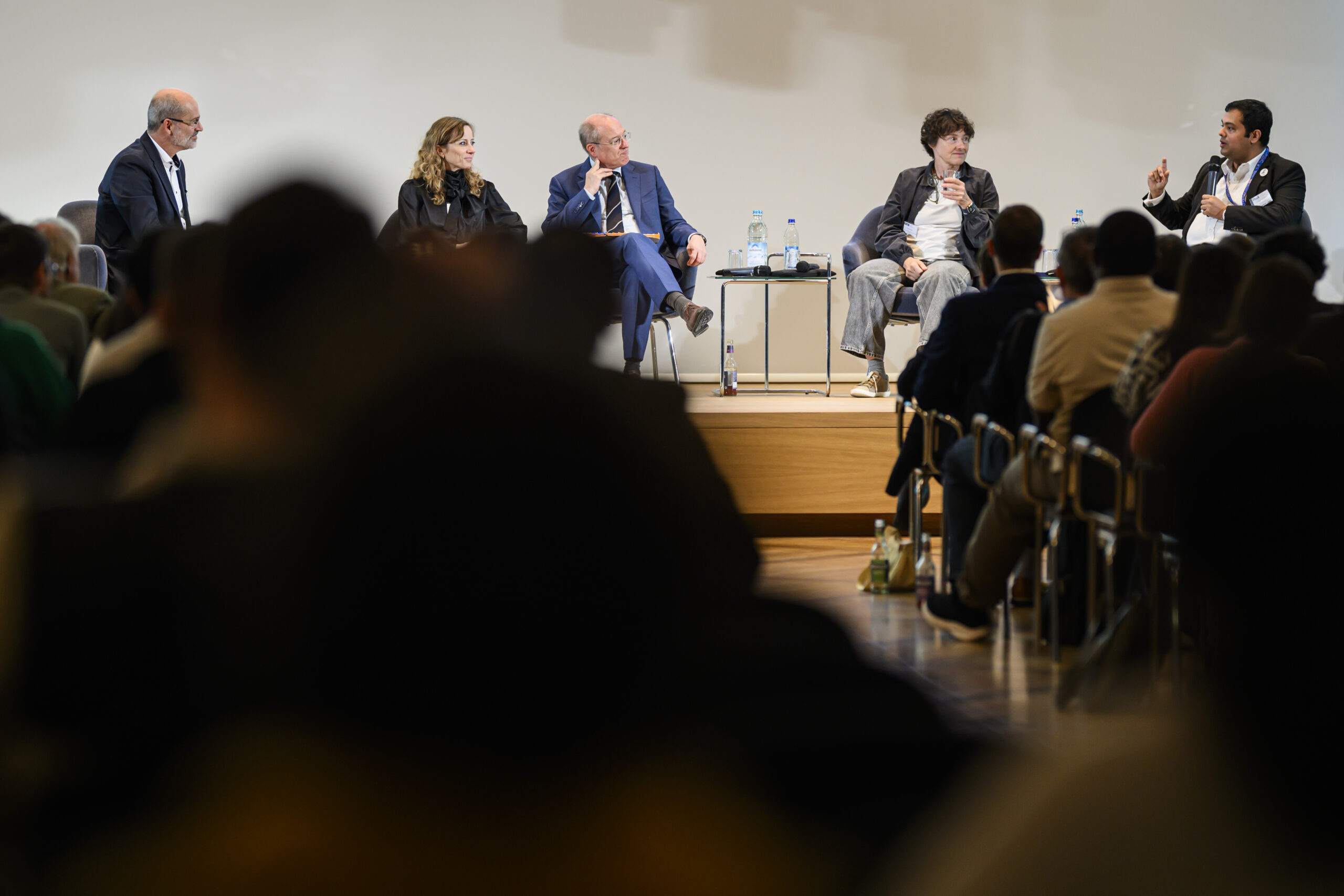
The second panel, moderated by Dr. Markus Zanner (Secretary General, AvH), widened the perspective from individual career decisions to the responsibilities and strategies of research institutions. Bringing together perspectives from research funding, university leadership, research institutions and the international research community, the discussion featured Prof. Dr. Francesca Biagini (Vice President, LMU München), Prof. Dr. Gerhard Kramer (Senior Vice President, TUM), Prof. Dr. Petra Schwille (Director, MPI of Biochemistry) and Dr. Mostafa Moonir Shawrav (Executive Director, Marie Curie Alumni Association).
The conversation addressed what strategic internationalisation means beyond establishing international partnerships and joint projects. How can universities and research organisations create an environment in which international collaboration becomes an integral part of research careers? What makes partnerships valuable for early-career researchers, and how can institutions ensure that international networks translate into tangible opportunities?
The discussion highlighted the importance of investing in people and creating sustainable structures for international exchange. Prof. Dr. Petra Schwille particularly emphasised the value of fellowships as an investment in researchers and international collaboration. Funding programmes can provide early-career researchers with the opportunity to establish independent networks, gain new perspectives and develop collaborations that last beyond an individual research stay.
The attractiveness of European research institutions and the future of European research funding also featured in the discussion. In this context, the upcoming EU Framework Programme FP10 and its budget were important points of consideration, raising broader questions about Europe's position as an international research destination and its capacity to sustain scientific excellence and collaboration.
Looking beyond individual programmes and institutional partnerships, the panel also addressed the concept of brain circulation. This perspective emphasises that international mobility should foster lasting connections, knowledge exchange and opportunities for researchers and their home and host institutions alike – in line with the mission of the Alexander von Humboldt Foundation and many other stakeholders.
The closing discussion invited all panellists to reflect on what would need to change to make this vision a reality – and what international mobility should look like ten years from now if it is to become a genuinely integral and sustainable part of modern research careers.
Looking Ahead: Making International Mobility Sustainable
Across the evening, one message became clear: international mobility offers enormous opportunities, but its value cannot be measured simply by the number of countries or institutions a researcher has worked in. Moving abroad also comes at a cost and requires time to settle into a new environment, establish professional networks and build a life in a different country. This makes institutional support all the more important.
The discussions offered an encouraging outlook on the benefits of international experience – both for researchers personally and for science as a whole. Going abroad can mean gaining new perspectives, building lasting connections, developing scientific independence and creating opportunities for knowledge to travel in both directions. At the same time, the event highlighted the multitude of organisations, networks and funding programmes available to support international research careers, as well as the responsibility of institutions to make these opportunities accessible.
As the German Postdoc Network, we strongly advocate for expanding such support. This is particularly important for postdocs navigating a career phase often shaped by uncertainty, as well as for researchers with families, who may face additional challenges when considering a move abroad. International opportunities need to take these realities into account. Adequate funding, flexible programmes and reliable institutional support are essential to ensure that personal circumstances do not become barriers to international mobility.
Another encouraging takeaway was the invitation to look beyond the most obvious destinations. Exploring new regions and research environments can open up unexpected opportunities for collaboration, exchange and lasting connections.
Ultimately, sustainable international mobility is about more than individual willingness to take the plunge. It requires a supportive research ecosystem that recognises different career paths, addresses structural challenges and enables researchers to make the most of international opportunities.
We cordially thank all speakers, panellists, co-organisers and participants for contributing to this event and making the exchange so engaging and insightful! Our special thanks go to Prof. Dr. Markus Schwaiger, President of the BAdW as well as the Team of the Junges Kolleg and Dr. Markus Zanner for their support and for making this event possible.
We look forward to continuing the conversation on international research careers, scientific exchange and the future of internationalisation!
Authors: Dr. Neele Meyer, Dr. Melanie Schippling
Photos: (c) Philipp Gülland